


Data Quality84%
01 / Overview
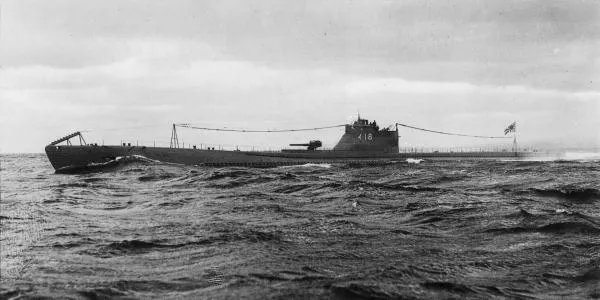
Type C1 submarine
Category
Country
Prime contractor
Production
1938–1944
Quantity
8
Operators
02 / Specs & Design
◎Identification7MOD.7
- Hull Classificationcruiser submarine
- Submarine Typecruiser
- Builder / ShipyardKure Naval Arsenal, Sasebo Naval Arsenal, Kawasaki Shipbuilding, Mitsubishi Heavy Industries
- Laid Down1937
- Commissioned1940
- Boats in Class8
- In ServiceYes
◈Displacement5MOD.5
- Surfaced Displacement2,219 t
- Submerged Displacement3,618 t
- Length109.3 m
- Beam9.1 m
- Draft5.34 m
▣Propulsion6MOD.6
- PropulsionDiesel-Electric
- Nuclear-PoweredNo
- Air-Independent Propulsion (AIP)No
- Shaft Power9,255 kW
- Top Speed (surfaced)23.6 kn
- Top Speed (submerged)8 kn
◇Diving & Endurance2MOD.2
- Test Depth100 m
- Complement (crew)95
◆Armament8MOD.8
- Torpedo Tubes8
- Torpedo Tube Diameter533 mm
- VLS Cells0
- Cruise MissilesNo
- Ballistic Missiles (SLBM)No
- SLBM Count0
- Anti-Ship MissilesYes
- Mine-Laying CapableNo
▤Sensors & Combat Systems3MOD.3
⬢Stealth3MOD.3
▲Production & Cost2MOD.2
- First of Class1940
- Operators1
◎Fleet Status2MOD.2
- Completed8
- Under Construction0
03 / History
SERVICE LIFESPANStill in Service
- 1938Production started
- 1944Production ended
88
years in service
6
years in production
8
units produced
1
countries operating
ⓘ The producing country still actively operates it.

05 / MASS Score
Not enough weapon data to rank this category.
📖 TERMS ON THIS PAGE2terms
Anti-ship missiles are guided missiles designed to engage and destroy naval vessels. They are typically used by aircraft, ships, or submarines to attack enemy ships.
Propulsion system combining diesel engines to generate electricity, which powers electric motors driving the vessel's propellers.
These terms are listed automatically because they appear on this page.full encyclopedia →
📚 Sources