
01 / Genel Bakış
Otokar carries a split identity unusual among the world's armored vehicle builders. It remains Turkey's oldest bus manufacturer, founded in 1963, while also standing as the country's largest privately-held exporter of tactical wheeled armored vehicles.1 Headquartered in Arifiye, a district of Sakarya Province in northwestern Turkey, the company is a subsidiary of Koç Holding, the country's largest industrial conglomerate, which holds a 47% stake alongside Ünver Holding's 25% and a 28% free float traded on Borsa Istanbul under the ticker OTKAR.2 Otokar builds no single flagship weapon system the way a missile house or a shipyard does. Instead its defense catalog spans light 4x4 patrol vehicles, 6x6 and 8x8 wheeled armored personnel carriers, a tracked infantry fighting vehicle, and a period as prime contractor on Turkey's indigenous Altay main battle tank program.
- deep civilian manufacturing base subsidizes defense R&D
- mature Arma/Cobra families with 75-country export footprint
- Koç Holding backing gives financial and political weight
- established license-production partnerships (Kazakhstan, UAE)
- lost Altay tank production contract to rival BMC in 2018
- 2024 net loss amid Turkish lira volatility and inflation accounting
- faces intensifying competition from FNSS and Nurol Makina at home
- heavier platforms (Tulpar, Altay) less mature than the wheeled lineup
Export contracts have defined much of Otokar's recent profile, from a 2024 agreement worth 857 million euros to supply Romania with 1,059 Cobra II vehicles, to a joint venture in the United Arab Emirates producing the Rabdan 8x8.3,4 Domestically, Otokar's civilian buses (the Kent, Sultan and Vectio lines) and light commercial trucks still account for a large share of revenue, a reminder that the armored personnel carrier business grew out of, rather than replaced, a public-transport manufacturer.1
02 / Şirket Profili
From Magirus-Deutz Bus Licensee to Koç Holding Defense Arm
Otokar was established in 1963 as Turkey's first bus-manufacturing company, building vehicles under a license from the German firm Magirus-Deutz.1,5 In the early 1980s, Koç Holding acquired a controlling stake as part of its broader push into public transportation manufacturing, a relationship that continues today.5 The move into armor came in the mid-1980s, when Otokar licensed Land Rover and, later, Jaguar Land Rover designs to build Turkey's first domestically assembled armored vehicle.5 That experience fed directly into the early 1990s development of the Otokar Akrep and Otokar Cobra, Turkey's first indigenous 4x4 light tactical armored vehicles, which combined the company's automotive manufacturing base with newly acquired armor know-how.5 In 1997, Otokar relocated its production to a new 552,000 square meter facility in Arifiye, Sakarya, which remains its principal manufacturing site today.1
Leadership, Ownership, and Recent Financial Results
Aykut Özüner became General Manager on April 1, 2024, succeeding Serdar Görgüç, who had led the company since 2006 and remains on its board.6 Yıldırım Ali Koç chairs the board of directors, reflecting the Koç family's continued direct governance role.2 Otokar reported consolidated revenue of approximately 44.1 billion Turkish lira for full-year 2024 (roughly 1.3 billion US dollars at contemporary exchange rates), with export sales making up 64% of the total even as they fell year over year on the back of lumpy armored-vehicle delivery schedules.7,8 The company posted a net loss for the year, a result it attributed to Turkish lira volatility, inflation-adjusted accounting rules, and rising personnel costs.7 Otokar's official materials describe a workforce of more than 3,800 employees as of the most recent published figures, supporting products used in over 75 countries through some 300 sales and after-sales points.1
The Altay Program and the Shift to BMC
Otokar's highest-profile defense role was as prime contractor for the Altay main battle tank, Turkey's first indigenously developed tank. Selected in 2007, Otokar spent roughly nine years on design, prototyping, and qualification.9 By 2016, Otokar's bid to build the first production batch was judged too costly, and in November 2018 rival BMC Otomotiv was named prime contractor for full-rate production, consolidating manufacturing at its own Kahramankazan campus.10,11 Otokar's role on Altay today is best described as the program's original design and development partner rather than its current producer, a distinction the company's own materials do not always spell out clearly.
 Arifiye, Türkiye · Borsa: OTKAR
(8 ürün)
(13517 ürün)
03 / Ürün & Üretim · 12 platform
Light Tactical 4x4s (Akrep, Cobra, and Ural)
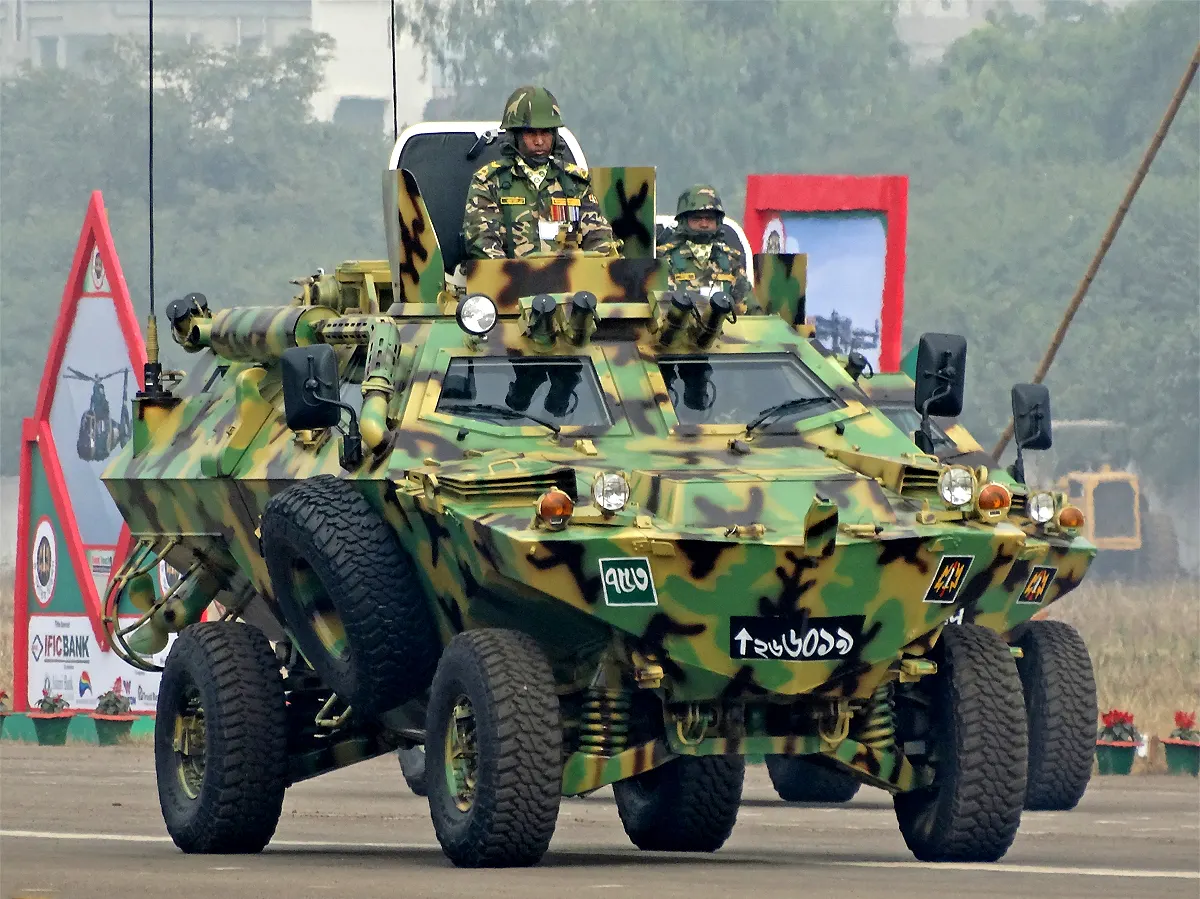
The Otokar Akrep, introduced in the early 1990s, was Turkey's first indigenous 4x4 light-armored tactical vehicle, followed by the Otokar Akrep II as a modernized successor.5 The Otokar Cobra, developed alongside the Akrep, became Otokar's most widely exported mine-resistant ambush-protected vehicle, in service with more than 20 operators across roughly 13 countries by the mid-2020s, with the improved Otokar Cobra II now forming the backbone of Otokar's export order book.3 A related but less exported line, the Otokar Ural, is a 4x4 armored personnel carrier introduced in 2013 with a modular hull supporting configurations from personnel carrier to armored ambulance and internal-security vehicle.12 Otokar also markets the Kaya, a Unimog-chassis 4x4 mine-protected vehicle with a split-hull layout separating the driver and commander from a ten-seat troop compartment, though it has seen more limited adoption than the Cobra family.13
The Arma Family and Wheeled 6x6/8x8 Platforms
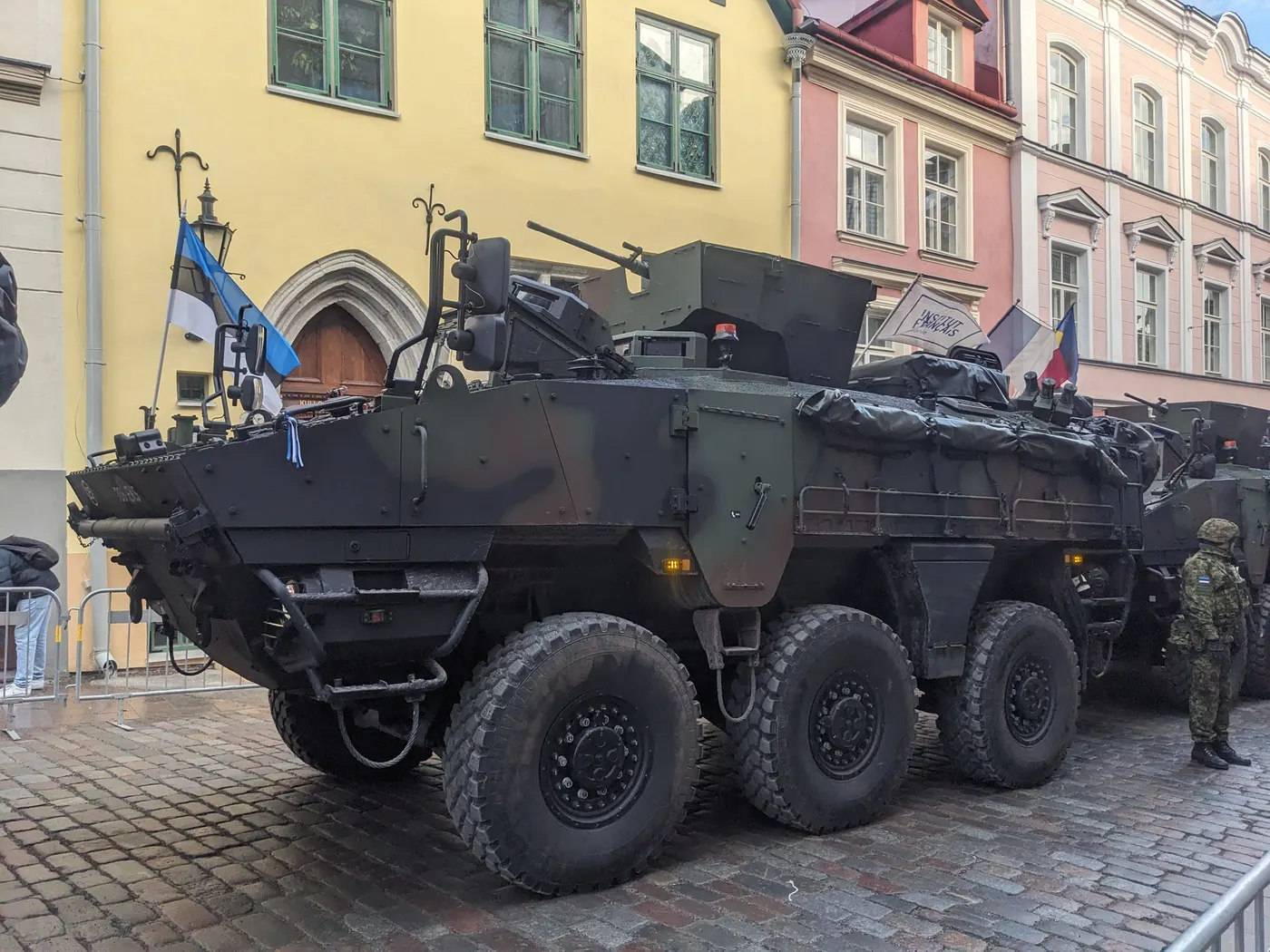
The Otokar Arma, offered in both 6x6 and 8x8 configurations, is Otokar's flagship modern wheeled armored personnel carrier family, amphibious and adaptable to infantry-carrier, command, ambulance, and reconnaissance roles.14 Aselsan-supplied remote weapon stations and turrets, including the Korkut system, are commonly integrated onto Arma hulls for export and domestic configurations, illustrating how Otokar's platforms typically arrive at market bundled with electronics from other Turkish defense suppliers.15 A UAE-specific derivative of the Arma 8x8, the Rabdan, is built locally by Al Jasoor, a joint venture in which an Otokar subsidiary holds 49% alongside Tawazun Holding's 51%, under a program valued at roughly 661 million US dollars with a planned fleet of up to 700 vehicles for the United Arab Emirates.4,16
Tracked Platforms (Tulpar and the Altay Legacy)
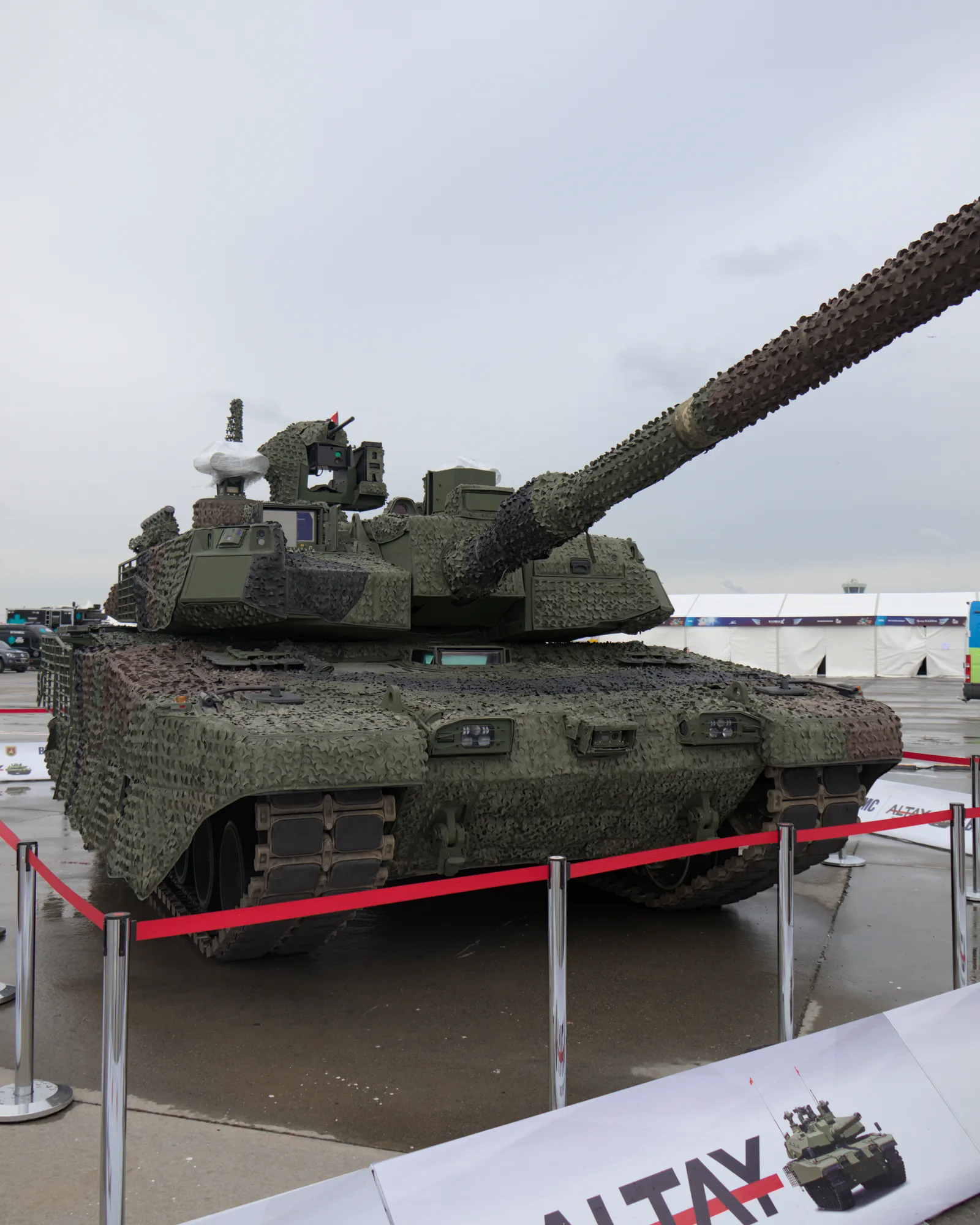
The Otokar Tulpar is the company's tracked infantry fighting vehicle line, developed after 2011 to give Otokar a presence in the infantry fighting vehicle segment alongside its wheeled catalog.5 Tulpar has been acquired by a smaller set of operators than the Cobra or Arma families, reflecting the more competitive, capital-intensive nature of the tracked IFV market. The Altay tank, though no longer produced by Otokar, remains the company's most consequential tracked-vehicle legacy, an indigenous 4th-generation design whose engineering foundation Otokar built over roughly a decade of state-funded development before BMC took over production.9,10
Co-Development and Licensed Overseas Manufacturing
Otokar's international partnerships extend beyond direct sales into shared design and licensed local production. Between 2002 and 2006, Otokar collaborated with Singapore's ST Engineering (through its ST Kinetics unit) and Ireland's Timoney Technology on an improved Turkish variant of the Terrex 8x8, known as Yavuz, contributing driveline and suspension work distinct from the original AV81 design.17 Separately, Otokar's Cobra platform is produced under license in Kazakhstan as the Arlan, and a newer Besqaru plant in Kazakhstan's Karaganda region, opened in 2025, gives roughly 200 vehicles a year of local Cobra II-derived production capacity for both Kazakh and export orders.18 Otokar has also begun showing the Alpar, an armored unmanned ground vehicle intended for reconnaissance and fire-support roles, reflecting an early move into combat unmanned ground vehicles alongside its crewed catalog.19
04 / Ticaret & Anlaşmalar · 3 anlaşma
Otokar's largest single publicly disclosed contract remains the November 2024 agreement with Romania's Ministry of National Defense for 1,059 Cobra II vehicles worth 857 million euros, with the first 278 vehicles built in Turkey and the remainder assembled in Romania under the deal's local-production terms.3 The UAE's Rabdan program, delivered through the Al Jasoor joint venture, is described by Otokar as its largest defense-export contract to date by value, at roughly 661 million US dollars.4 Estonia signed a 130 million euro contract in 2023 for Arma 6x6 vehicles as part of a broader 230-vehicle armored-vehicle package, with deliveries beginning in 2025 to reinforce Estonia's 2nd Infantry Brigade.20 On the supply side, Otokar integrates weapon stations and electronic systems from fellow Turkish manufacturer Aselsan rather than building its own turrets and sensors in-house, a common pattern among Turkish land-systems primes.15 For the Altay program specifically, Otokar's role shifted from prime systems integrator to a lesser (and now largely historical) supporting one once BMC assumed production responsibility in 2018.10
| Yıl | Alıcı | Ürün / Hizmet | Adet | Bedel | Tür | Durum | |
|---|---|---|---|---|---|---|---|
| 2023 |  Estonya | Otokar Arma | 230 | $130 M | new-build | Teslim | |
| 2023 |  Kazakistan | Otokar Arma | 834 | $4.4 Mr | new-build | ordered | |
| 2010 |  Bahreyn | Otokar Arma | 73 | $74 M | new-build | Teslim |
05 / Küresel Erişim · 41 ülke · 7 çatışma
Otokar's wheeled armored vehicles are fielded across a genuinely wide geographic spread, from NATO members in eastern Europe (Romania, Estonia, Latvia, Poland) operating Arma and Cobra II variants, to Gulf states (Bahrain, Qatar, Kuwait, the United Arab Emirates) that have bought Cobra, Arma, and now the Rabdan derivative, to Central Asian and Latin American customers reached partly through the Kazakhstan production line and Cobra II sales to Ecuador and Brazil's Tulpar orders.3,4,18 Turkey's own armed forces remain the largest single operator across nearly every Otokar product line, from Akrep through Arma to the Altay tank itself.9 Combat use has been documented on more than one side of the same conflicts. Otokar Cobra vehicles supplied to Turkish-backed Syrian opposition forces saw action during the Syrian civil war and Turkey's own involvement in the Syrian civil war, while a separate stock of Cobras fielded by Azerbaijan was used during the Second Nagorno-Karabakh War in 2020.21 Domestically, Cobra and Akrep vehicles have also served Turkish security forces in internal operations tied to the long-running Kurdish-Turkish conflict.21
Türkiye  Bangladeş Kazakistan
 Azerbaycan Bahreyn
 Birleşik Arap Emirlikleri
 Cezayir
 Fas
 Gana
 Gürcistan
 Kosova
 Ruanda
 Suriye
 Suudi Arabistan
 Tunus
 Amerika Birleşik Devletleri
 Arnavutluk
 Brezilya
 Burkina Faso
 Ekvador Estonya
 Fildişi Sahili
 Gambiya
 Irak
 Karadağ
 Kuzey Makedonya
 Letonya
 Maldivler
 Malezya
 Moritanya
 Nijerya
 Pakistan
 Polonya
 Romanya
 Senegal
 Slovenya
 Türkmenistan
 Ukrayna
 Çad
 İsrail
 Şili
06 / Rekabet
Within Turkey, Otokar's closest rival is FNSS, a joint venture between Nurol Holding and BAE Systems Land Systems building the competing Pars and Kaplan wheeled and tracked families, alongside Nurol Makina, a separate Nurol Holding subsidiary building the Ejder Yalçın 4x4.5 BMC, once a truck-and-bus peer of Otokar, became a direct armor-sector competitor when it displaced Otokar as prime contractor on the Altay tank in 2018.10 Internationally, Otokar's wheeled 6x6/8x8 Arma family competes for export tenders against General Dynamics Land Systems' Piranha and LAV family, Finland's Patria AMV, and Rheinmetall MAN Military Vehicles' Boxer-adjacent offerings, typically on price and faster delivery timelines rather than on raw technology parity.12 On tracked vehicles, Germany's Krauss-Maffei Wegmann remains a far larger and more established competitor than Otokar's still-developing Tulpar line, underscoring that Otokar's real competitive strength lies in wheeled tactical vehicles rather than tracked armor.5
BMC Sanayi ve Ticaret A.Ş.FNSSGeneral Dynamics Land Systems Krauss-Maffei WegmannNurol Holding
 PatriaRheinmetall MAN Military Vehicles
Şirket web sitesi: http://www.otokar.com.tr
- "About Us", Otokar — otokar.com.tr ↩
- "Shareholding Structure", Otokar Investor Relations — otokar.com.tr ↩
- "Otokar Signed an 857 Million Euro Contract to Deliver COBRA II 4x4 Armored Tactical Light Vehicles to Romanian Ministry of Defense", Otokar — otokar.com.tr ↩
- "Otokar's World-Class Status Reinforced with 'Al Jasoor', the Gulf Region's RABDAN 8x8", Defence Turkey Magazine — defenceturkey.com ↩
- "Otokar", Wikipedia — en.wikipedia.org ↩
- "Görgüç Leaves Leading Post at Otokar", TURDEF — turdef.com ↩
- "01.01.2024 - 31.12.2024 Financial Results", Otokar Investor Relations — otokar.com.tr ↩
- "Otokar Otomotiv ve Savunma Sanayi A.S. (IST:OTKAR) Financials", StockAnalysis — stockanalysis.com ↩
- "Altay (tank)", Wikipedia — en.wikipedia.org) ↩
- "The Long Road to Altay", European Security & Defence — euro-sd.com ↩
- "Turkey Wants Eight Altay Battle Tanks Yearly from New BMC Factory", Defense News — defensenews.com ↩
- "URAL 4x4 Armored Personnel Carrier", Otokar Defence — defense.otokar.com.tr ↩
- "Kaya (Mine Protected Carrier)", Army Guide — army-guide.com ↩
- "Otokar Arma", Wikipedia — en.wikipedia.org ↩
- "Arma 8x8", Army Recognition — armyrecognition.com ↩
- "Turkish Defense Giant Otokar Expands Presence in UAE, Gulf", Daily Sabah — dailysabah.com ↩
- "Terrex ICV", Wikipedia — en.wikipedia.org ↩
- "Pakistan's New Armored Corridor: Turkish Cobra II and ARMA 8x8 Exports Through Kazakhstan Could Redraw South Asia's Military Balance", Defence Security Asia — defencesecurityasia.com ↩
- "Otokar's Armored Unmanned Vehicle Alpar and Arma II on International Stage", Otokar — otokar.com.tr ↩
- "Estonia Awarded Otokar €130 Million Contract for the Supply of ARMA 6x6 Vehicles", Otokar — otokar.com.tr ↩
- "Otokar Cobra", Wikipedia — en.wikipedia.org ↩