

Counter-drone systems, generally abbreviated C-UAS for counter unmanned aircraft systems, form the newest and most technically fragmented layer of modern air defense. Older layers of that defense grew up around a small, predictable set of threats. Anti-aircraft artillery engaged manned aircraft flying fast and high. SHORAD systems and MANPADS covered the short-range gap beneath medium-range and long-range surface-to-air missiles. None of those layers were built with a $500 commercial quadcopter or a $20,000 loitering munition in mind, and firing a six-figure interceptor missile at either one is an economically absurd proposition even when it works. C-UAS exists to close that gap, matching the cost and scale of the small-drone threat rather than the cost and scale of the older manned-aircraft threat.
The trigger was combat experience, not a peacetime requirements document. Islamic State fighters in Iraq and Syria began dropping improvised grenades from modified commercial drones during the war against the Islamic State, and the ISIS occupation of Mosul forced coalition and Iraqi forces to improvise detection and jamming solutions in the field years before most Western militaries had a dedicated program of record. Houthi forces in Yemen extended the same problem to long-range, one-way strike drones against Saudi Arabia during the Saudi-led intervention in the Yemeni civil war, a threat that later widened into the Red Sea crisis and Houthi attacks on commercial vessels once the same drones and missiles began targeting merchant shipping. Civil aviation had its own wake-up call in December 2018, when unconfirmed drone sightings shut down Gatwick Airport for more than a day and forced the British Army to rush an early counter-drone system into place within days, a scramble covered in detail below. That single incident did more to popularize the term counter-drone system with the general public than any military procurement decision before or since, even though (as the Integrated and Layered Multi-Sensor Systems section below explains) no drone was ever physically recovered from the airport grounds.
Two wars then did more than anything else to turn C-UAS from a niche procurement item into a mainstream one. The 2020 Nagorno-Karabakh war demonstrated that small attack drones and loitering munitions could decide a conventional war between two regular armies, and the full-scale Russo-Ukrainian war beginning in 2022 turned that lesson into a daily, continuous reality along a front line hundreds of kilometers long. Russian Shahed and Geran-family loitering munitions strike Ukrainian cities and infrastructure in mass raids most nights, and first-person-view attack drones now account for a large share of casualties on both sides of the front. That threat forced Ukraine to build its own counter-drone industry largely from scratch under wartime pressure, while pulling in Western, Israeli, Turkish, and Chinese systems from every technology family covered in this article. The same conflict has made clear that no single counter-drone technology solves the problem by itself, which is why most fielded systems today combine several of the approaches this article treats as separate technology families.
This article organizes roughly 105 named counter-drone systems by the core technology each one relies on to find or defeat a hostile drone. Detection systems locate and classify a drone using radar or radio-frequency sensing without necessarily doing anything to stop it. Kinetic-kill interceptor drones, net-capture systems, gun-based hard-kill weapons, and directed-energy lasers all physically destroy or disable the target airframe. RF jammers, GNSS spoofers, and cyber-takeover systems disrupt a drone's control or navigation link without touching the airframe at all, a category collectively known as soft-kill. Man-portable dronegun rifles compress jamming into a rifle-shaped handheld tool. Integrated, layered systems combine several of those functions into one product, and naval and vehicle-mounted systems adapt the same underlying technologies to a ship or armored platform. The final section returns to the loitering-munitions threat directly, since nearly every system in this article exists because that threat exists.
01Detection: Radar and RF Sensing
Detection is the least visible part of the counter-drone problem and often the hardest one to solve well, because a small quadcopter presents a radar cross-section closer to a large bird than to any aircraft older radar systems were designed to track. A conventional air-defense radar tuned to filter out birds, ground clutter, and other slow, low false returns will often filter out a small drone for the same reasons, which is why most of the detection systems in this section were purpose-built rather than adapted from older air-defense radar designs. Classification, correctly telling a hostile quadcopter apart from a bird, a balloon, or a piece of wind-blown debris on the same radar screen, is frequently harder than detection itself, and it is the single largest source of false alarms across every civil and military deployment covered in this article, including the airport incidents discussed later in the Integrated and Layered Multi-Sensor Systems section.
Two broad sensing approaches dominate the category, active radar, which transmits its own energy and measures the return, and passive radio-frequency detection, which simply listens for a drone's own control-link and video-downlink transmissions without emitting anything of its own. Passive RF sensing cannot be jammed or spoofed back at the sensor and gives away no emission of its own for a hostile operator to detect, but it fails outright against a fully autonomous drone that carries no active control link to listen for, a genuine and growing limitation as autonomous, pre-programmed strike drones spread across the battlefields covered later in this article. Rohde & Schwarz's ARDRONIS, developed in Germany, approaches the problem through radio-frequency direction-finding rather than radar, passively listening for a drone's control-link and video-downlink emissions and triangulating the operator's position as well as the drone's. CACI's SkyTracker, built in the United States, works on a similar RF-geolocation principle, aimed primarily at prisons, stadiums, and other fixed sites where a persistent listening post can be installed permanently rather than moved with a maneuvering unit.1
Dedrone, an American company (formerly German-founded, now owned by Axon Enterprise), built its RF-360 sensor around the same passive listening principle, feeding a software platform that fuses multiple sensor types into one detection picture, a role several other companies approach from the software side rather than the hardware side. Black Sage's Defense OS, also American, positions itself the same way, as a sensor-agnostic fusion layer meant to sit on top of whatever radar, RF, and camera hardware a customer already owns rather than selling a single fixed sensor suite of its own.1
South Africa's Reutech Radar Systems built its own dedicated Counter-UAV System around a purpose-designed, all-weather tracking radar rather than a passive RF approach, since a radar sensor keeps working through rain and cloud cover that can degrade an electro-optical camera's usefulness. The same active-sensing route was taken by the American firm Centauri, a Parsons Company subsidiary, whose CRx product line spans several size classes, the compact CRx-7, the mid-size CRx-30 and CRx-40, and the networked TriAD multi-sensor variant that links several CRx nodes into one coverage picture, an approach roughly analogous to how a networked radar picket line extends coverage well beyond what one radar sees alone.2 South Korea's Hanwha Aerospace built its own tracking and cueing sensor, Skylight, primarily to feed target data into Hanwha's own hard-kill weapons rather than to stand alone as an independent detection product, and QinetiQ's Obsidian, developed in the United Kingdom, follows the same detect-and-cue logic for the British and allied market.2
Turkey fields two RF-detection systems of its own, Meteksan Defence's Kapan (Turkish for trap) and ASELSAN's İHTAR (Turkish for warning), both built to detect and classify hostile drone control links across Turkey's own military and critical-infrastructure sites. Pakistan's defense industry produced two comparable systems, the GIDS Spider, built by Global Industrial and Defence Solutions, and the KASHF anti-drone system, developed domestically for the same detect-and-classify mission facing Pakistani forces along a border region with a persistent small-drone threat.3 Bulgaria's Advanced Protection Systems built its FIELDctrl sensor specifically as the detection half of a matched pair, feeding target data to the company's own SKYctrl interceptor drone covered in the next section, an architecture that treats detection and kill as two separately sold but jointly engineered halves of one system rather than a single integrated product.3
A handful of detection products remain thinly documented outside marketing material, among them the Silok anti-drone system, SkyFall P1-SUN, and the handheld thermal-imaging detection tool SteelRock NightFighter Mini, all marketed as detection or early-warning sensors without the independently verifiable technical detail that would place them confidently within a specific national program.3
01Kinetic-Kill Interceptor Drones
The most direct answer to a hostile drone is another drone built specifically to destroy it in the air, a category that grew rapidly once the Russo-Ukrainian war demonstrated the tactic at scale on both sides of the front. Raytheon's Coyote, fielded by the United States from 2014, was among the first rocket-boosted interceptors purpose-built for the mission, using a radar-cued flight path and a tungsten fragmentation warhead to destroy the target airframe in the air. Coyote reportedly downed two of three attack drones targeting American forces at Al Tanf, Syria, in January 2023, and the US Navy has since fitted the system to destroyers facing Houthi drone and missile fire in the Red Sea crisis.4
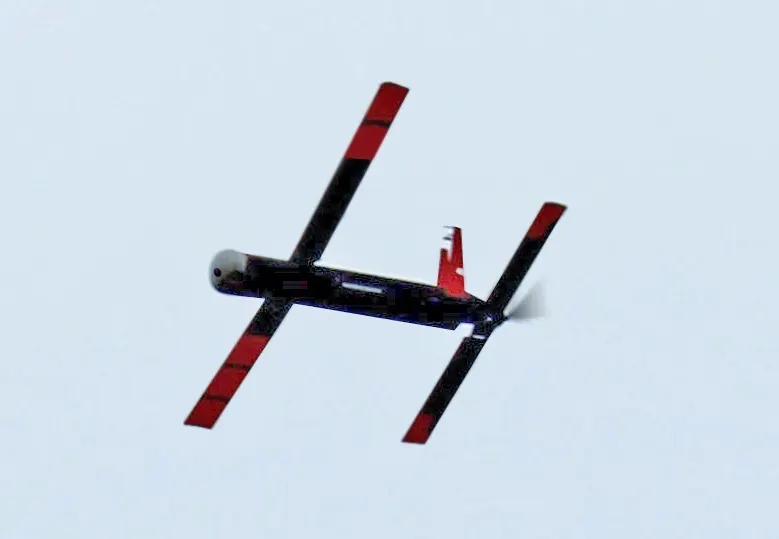
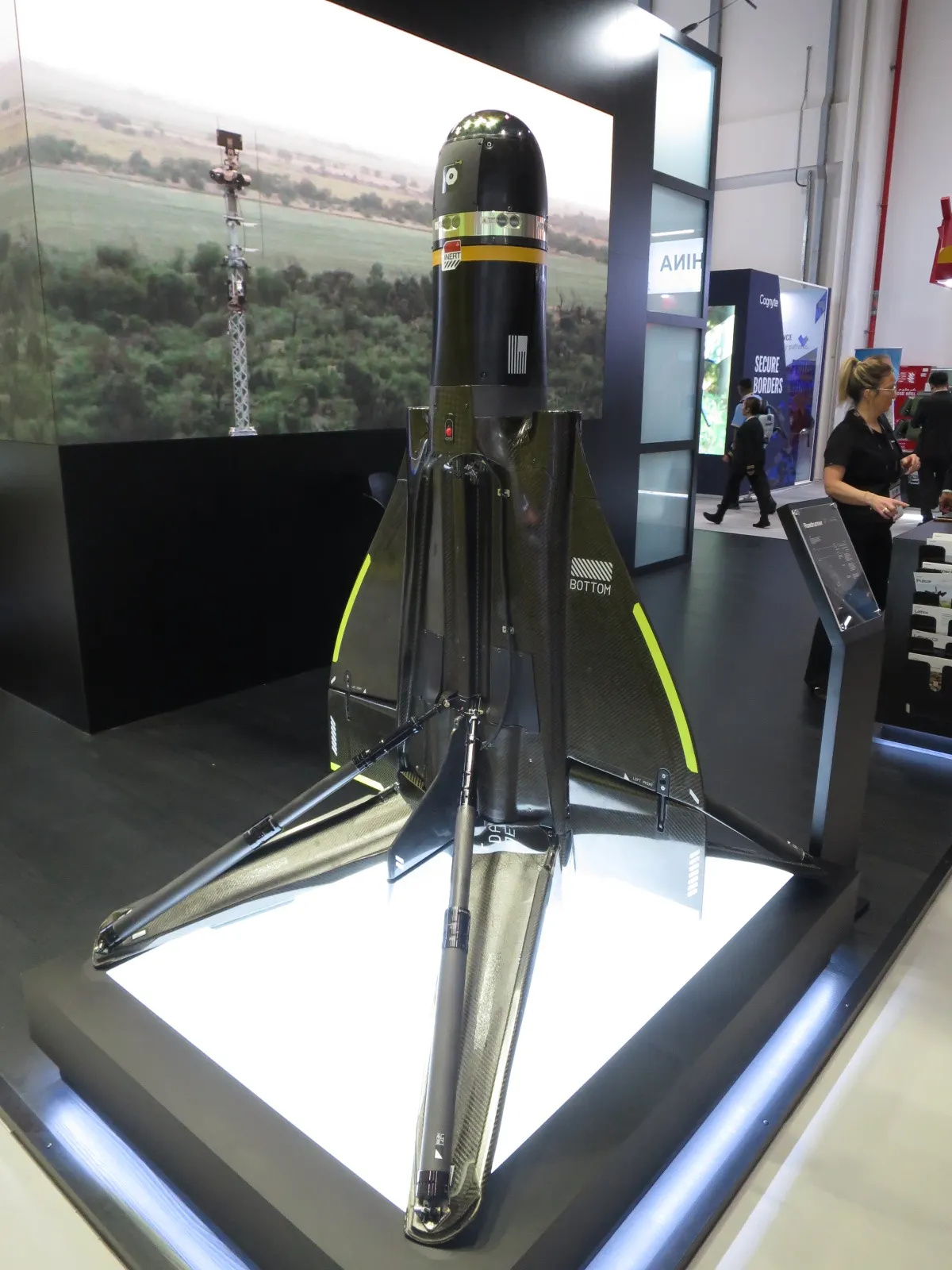
Anduril's Anvil, unveiled in the United States in 2019, took a cheaper approach, an autonomous, fire-and-forget quadcopter that rams a hostile drone at roughly 200 miles per hour rather than carrying its own onboard radar, relying instead on Anduril's own Lattice sensor-fusion network to cue each intercept without further operator input once launched. An explosive-armed Anvil-M variant exists for larger or more resilient targets. The system won a US Special Operations Command contract worth roughly $1 billion in January 2022 and a further $642 million Marine Corps installation-defense contract in 2025, and Anduril's newer Roadrunner, unveiled in November 2023, took the opposite approach from Anvil's expendable design, scaling the same fire without regret logic into a reusable, twin-turbojet vertical-takeoff interceptor. An operator keeps command guidance over Roadrunner for the full length of its flight, aborting and landing the vehicle intact if the target is called off mid-intercept rather than expending it on every launch the way a true fire-and-forget round like Anvil or Coyote must. The US Navy has begun arming Arleigh Burke-class destroyers with Roadrunner, and Kuwait approved a combined $1.98 billion purchase of Anvil and Roadrunner systems in 2026 following Iranian strikes on Kuwait during the 2026 [Iran war](/en/wars/2026-iran-war).4

Canada's AerialX built a lighter, purely kinetic answer in the DroneBullet, a small dart-like interceptor with no explosive warhead of its own, designed to physically destroy a target drone's rotors and airframe on impact at a fraction of the unit cost of a rocket-boosted interceptor. The United Kingdom-headquartered, Monaco-based MARSS Group built a comparable system in the NiDAR Interceptor-MR, part of MARSS's broader NiDAR detect-and-defeat suite. Bulgaria's Advanced Protection Systems paired its FIELDctrl sensor, covered above, with the SKYctrl Interceptor Drone, completing the detect-then-kill pair the company markets as one system.5
Israel's Rafael Advanced Defense Systems fields two lesser-documented kinetic interceptor concepts of its own, the Hunter Eagle and the compact Iron Wasp, both extending Rafael's broader air-defense portfolio down into the tactical drone-interception scale. Latvia's Origin Robotics built the BLAZE, a low-cost, expendable interceptor drawing on the same cost logic that makes Shahed-style loitering munitions cheap to mass-produce, and it drew particular attention from Ukraine and NATO planners looking for an interceptor cheap enough to use against the very Shahed and Geran drones it was designed to counter.5 Wartime necessity produced Ukraine's own entrant directly, Wild Hornets, a volunteer-founded Ukrainian drone manufacturer better known for first-person-view strike drones, whose Sting interceptor is built specifically to run down and destroy Russian Shahed and Gerbera-family drones and reconnaissance types such as the Orlan-10 over Ukrainian territory, a role that puts it in direct opposition to the same Shahed/Geran family covered in the loitering-munitions arms race section below.6
Two further systems round out the category's less-documented margin. American company DZYNE Technologies, better known for long-endurance surveillance drones, markets an electronic-attack payload called IonStrike, aimed at disrupting a hostile drone's control link during an intercept rather than destroying the airframe outright. Skylance's DroneHammer, marketed for physically disabling small drones in flight, remains thinly documented in independent sourcing but is grouped here alongside the other kinetic concepts on the strength of its stated function.6
01Net-Capture Systems
Not every hard-kill system destroys the target outright. A net-capture interceptor disables a hostile drone by physically fouling its rotors or wrapping the airframe, often preserving the captured drone intact for forensic or intelligence exploitation rather than reducing it to debris, a genuine advantage when the goal is identifying who built or flew the intruding drone. Fortem Technologies' DroneHunter F700, built in the United States with Lockheed Martin and Toshiba as investors and partners, is the most combat-tested example, an autonomous, radar-cued quadcopter that fires a tether net at a target and then tows or parachutes the captured drone back to a recovery point. Six crowdfunded DroneHunter units were delivered to Ukraine through the UNITED24 platform by February 2023 to help protect the country's energy infrastructure from Shahed-136 and Orlan-10 drones during the full-scale Russo-Ukrainian war, and the system has since been selected for evaluation under the US Army's counter-drone modernization efforts.7

The Netherlands' Delft Dynamics built one of the category's earliest net-capture platforms in the DroneCatcher, a purpose-designed interceptor drone that deploys a net beneath itself to entangle a target rather than relying on a fired projectile. The United Kingdom's OpenWorks Engineering approached the same problem from the ground rather than the air, building the shoulder-fired SkyWall 100, a man-portable net launcher resembling a compact bazooka that a single soldier or security officer can aim and fire directly at a low, slow target, and the larger, vehicle- or tripod-mounted SkyWall 300, which automates the same net-launch principle for fixed-site or convoy protection at a higher rate of engagement than one soldier could manage alone.7
American company Ondas Holdings fields the Iron Drone Raider, another net-capture interceptor drone aimed at the same critical-infrastructure and public-safety market as Fortem's DroneHunter, while Netgun.com's UltraNet offers a lower-cost, simpler net-launching tool for the same basic mission. Israel's ParaZero, better known for parachute-based flight-termination systems that let a friendly drone land safely after a failure, markets DefendAir as an adjacent counter-drone mitigation concept built on the same parachute and net technology base. Skylance's DroneHammer, already noted in the kinetic-interceptor section above for its physical disabling function, also blurs into this category depending on the specific engagement mechanism used.8
Net-capture systems trade a real speed disadvantage for that evidentiary and public-safety benefit. A net has to physically close on a target before it can work, which limits net-capture interceptors to relatively slow, low targets compared with the kinetic-ram and gun-based systems covered elsewhere in this article, and it is a large part of why Fortem's DroneHunter, OpenWorks' SkyWall family, and their smaller rivals are marketed mainly for critical-infrastructure, prison, stadium, and airport protection against small commercial drones rather than for the high-speed loitering-munition intercepts that dominate the Kinetic-Kill Interceptor Drones and Naval and Vehicle-Mounted Systems sections of this article.
01Gun-Based and Kinetic Hard-Kill
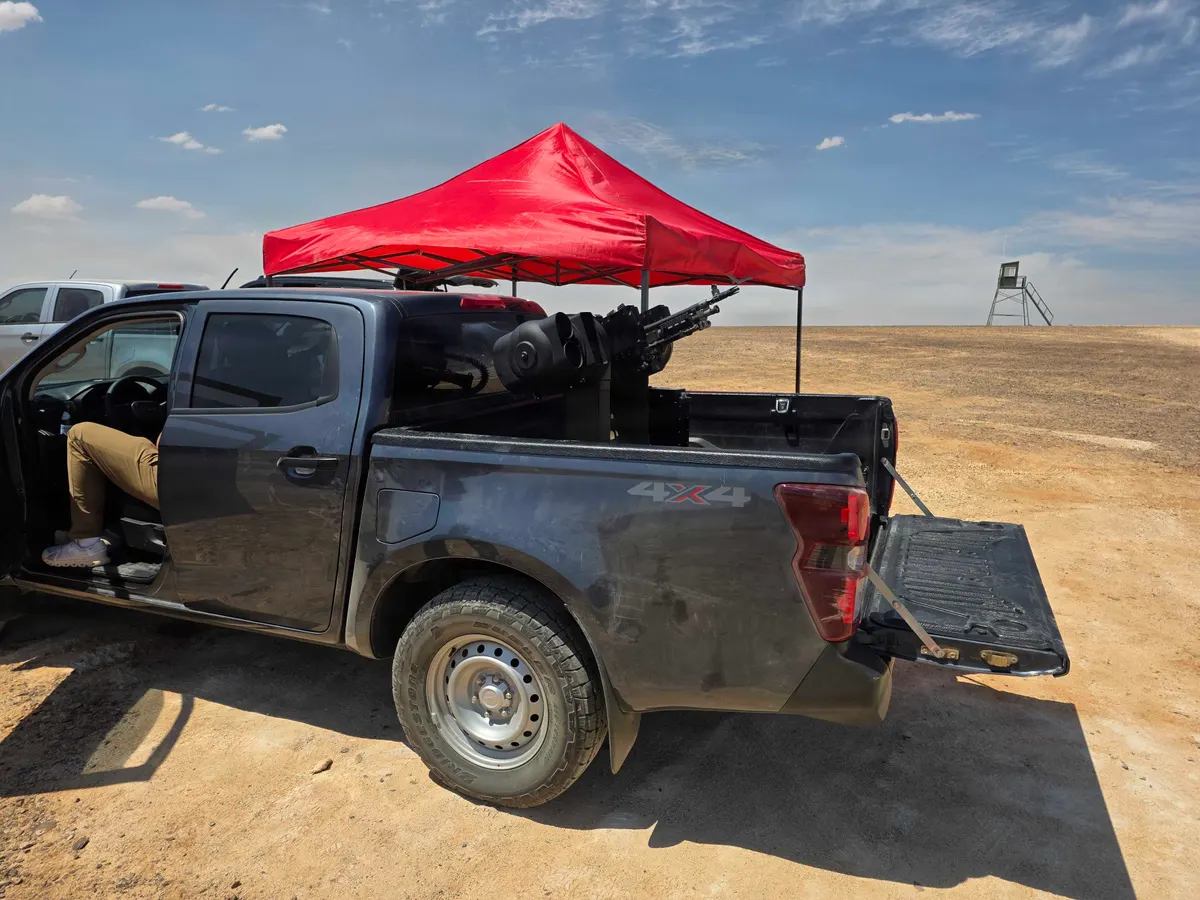
Traditional guns adapted for the drone threat range from a fully autonomous robotic turret to a simple sight clipped onto an existing rifle. The underlying concept is not new. Land-based CIWS systems have used a fast-firing automated gun to shoot down close-range aerial threats for decades, and most gun-based counter-drone systems covered in this section are best understood as that same close-in weapon system concept scaled down to a much smaller, slower, cheaper target than the aircraft and missiles a classic CIWS was designed to stop. Allen Control Systems, a Texas-based startup founded in 2024, built the Bullfrog, a computer-vision-guided remote weapon station wrapped around a standard machine gun (interchangeably an M240, M2, or M134), automating target detection and lead calculation so that a single operator can engage a fast-moving drone with rifle-caliber ammunition rather than an expensive guided interceptor. The system hit seven of seven targets at the US Army's Project Convergence Capstone 5 exercise, and a Series B funding round in June 2026 valued the company at $2.2 billion, one of the clearest signals yet of investor confidence in the gun-based approach to the drone problem.9
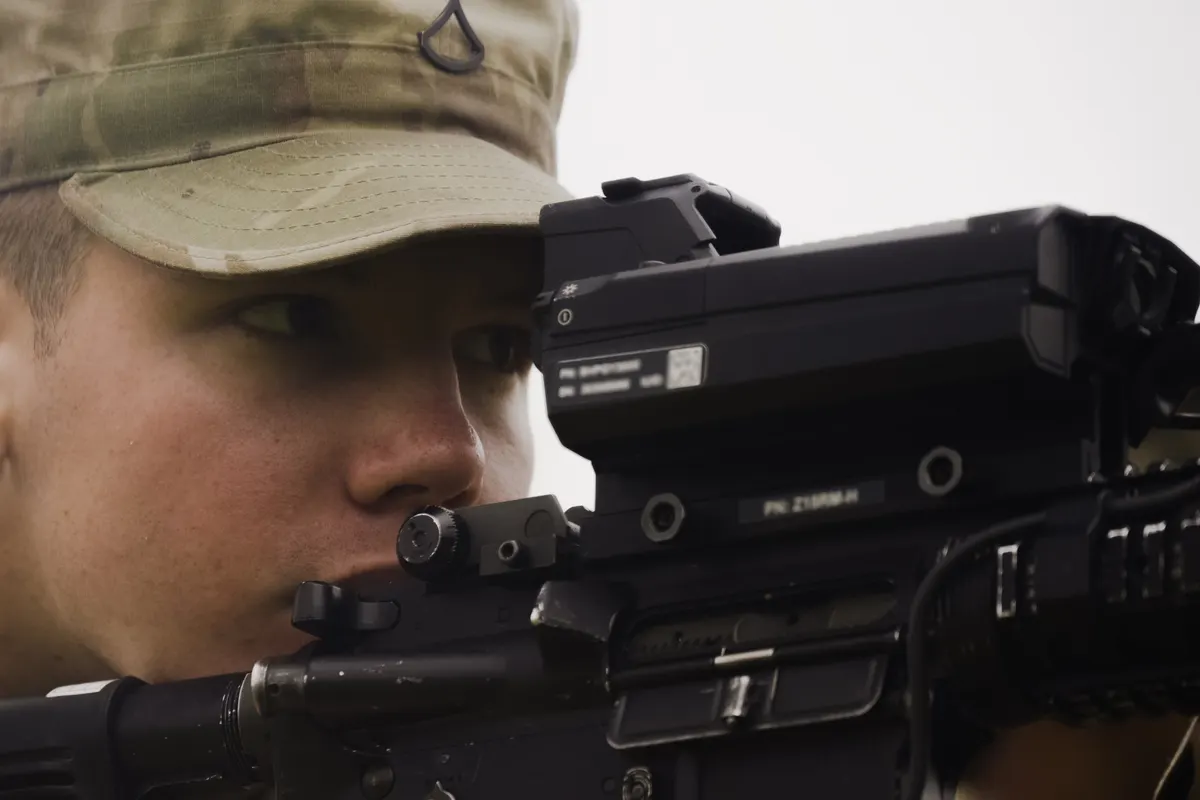
SmartShooter's SMASH 2000, approved for Israeli service in 2017, takes the opposite design philosophy from Bullfrog, keeping a human shooter fully in the loop through a clip-on fire-control sight that calculates lead and locks the trigger until the computed hit probability is high, rather than replacing the shooter with an autonomous turret. Israeli infantry used thousands of SMASH-equipped rifles during the Gaza War beginning in October 2023, and a Golani Brigade unit reportedly downed seven drones within seconds using the system, giving SMASH 2000 one of the most concrete documented combat records of any weapon covered in this article.9
Vehicle-mounted and towed gun systems form a separate branch of the same idea, scaling up from rifle calibers to autocannon calibers built to reach farther and put more explosive-fragmentation ammunition into the air. ASELSAN's Korkut 100/25 SB, a twin 25 mm self-propelled gun system, gives Turkey a mobile short-range answer that predates the drone threat as a conventional anti-aircraft weapon but has been adapted into the counter-drone role, and ASELSAN's ŞAHİN remote weapon station extends the same gun-based logic to a lighter, more mobile platform. China's NORINCO built the OW5-A50, and CASIC fielded the FK-3000, both combining autocannon fire with short-range missiles in one mount for layered short-range coverage against drones and other low, slow aerial threats. India's Zen Technologies built the ADS-HK (Anti-Drone System, Hard Kill) along the same gun-based principle for the Indian market.10
Norway's Kongsberg Defence & Aerospace built the CORTEX Typhon, a remote weapon station derived from Kongsberg's long-running PROTECTOR family and adapted specifically for the counter-drone mission, and Turkey's STM, the company behind the Kargu-2 and Alpagu loitering munitions covered in the loitering-munitions pillar article, fields its own gun-based remote turret in the Kangal.10
Ammunition choice separates most of these systems from an ordinary infantry weapon firing the same caliber. A conventional bullet has to score a direct hit on a small, fast-moving airframe to do any damage, so several gun-based systems instead fire programmable airburst rounds that detonate a timed distance from the target, showering it with fragments the way anti-aircraft artillery has done against faster aircraft for generations. That shift in ammunition, not just the addition of a computer-vision sight or an autonomous turret, is a large part of why a rifle-caliber or autocannon-caliber gun can reliably hit a target as small and erratic as a hobbyist quadcopter, closing the gap between a classic close-in weapon system built for missiles and aircraft and a purpose-built counter-drone gun.
01Directed-Energy Weapons (Laser and HPEM)
Directed-energy weapons attack a hostile drone with concentrated light or electromagnetic energy rather than a physical projectile, and the category splits into two genuinely different underlying technologies that are often confused in casual coverage. High-energy lasers burn or structurally damage a target airframe directly, engagement by engagement, at a cost per shot low enough to make the technology attractive against a mass drone raid where the price of every conventional interceptor round matters. High-power microwave (HPM) or high-power electromagnetic (HPEM) weapons instead fry a target's electronics with a wide radio-frequency pulse, engaging an entire swarm within one beam's footprint at once rather than one drone at a time, trading precision for area coverage.
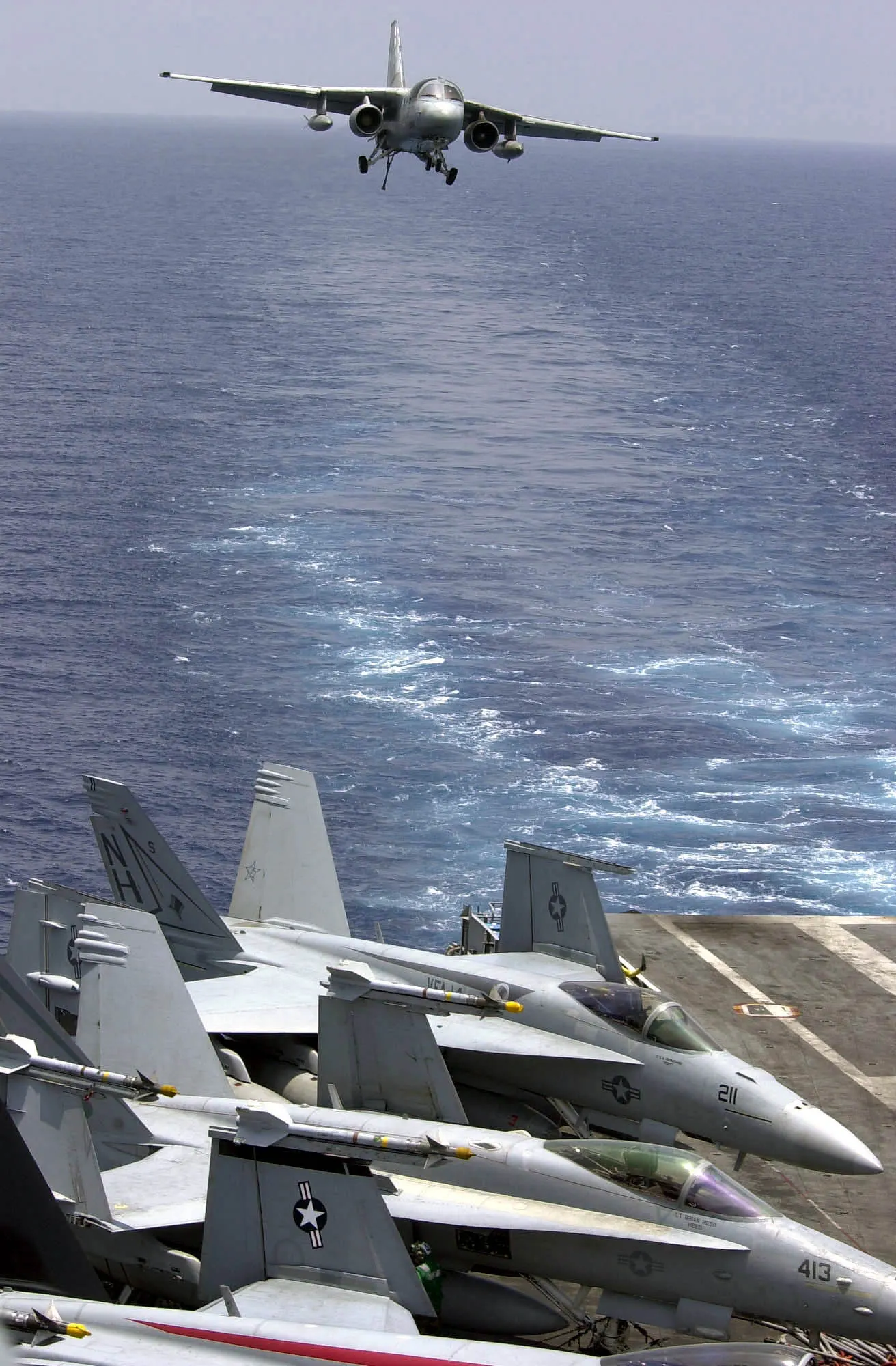
The United Kingdom's DragonFire, developed by a consortium of MBDA UK, Leonardo UK, and QinetiQ, is the most mature Western laser program, first firing against an aerial target in January 2024 and destroying drones flying at speeds up to 650 kilometers per hour in trials during November 2025. A £316 million production contract signed in November 2025 will fit the 50-kilowatt-class fiber laser to Royal Navy Type 45 destroyers beginning in 2027, at a running cost the Ministry of Defence has quoted at roughly £10 per shot, a figure that dramatizes the cost gap between a laser engagement and a conventional guided-missile intercept better than almost any other statistic in the category.11
France pursued a comparable laser program of its own well before DragonFire reached its own firing trials. CILAS (Compagnie Industrielle des Lasers) built the HELMA-P, a vehicle- and site-mounted high-energy laser tested by the French Army against small drone targets, giving France an indigenous directed-energy program alongside Britain's DragonFire and the American and Chinese programs covered later in this section.11
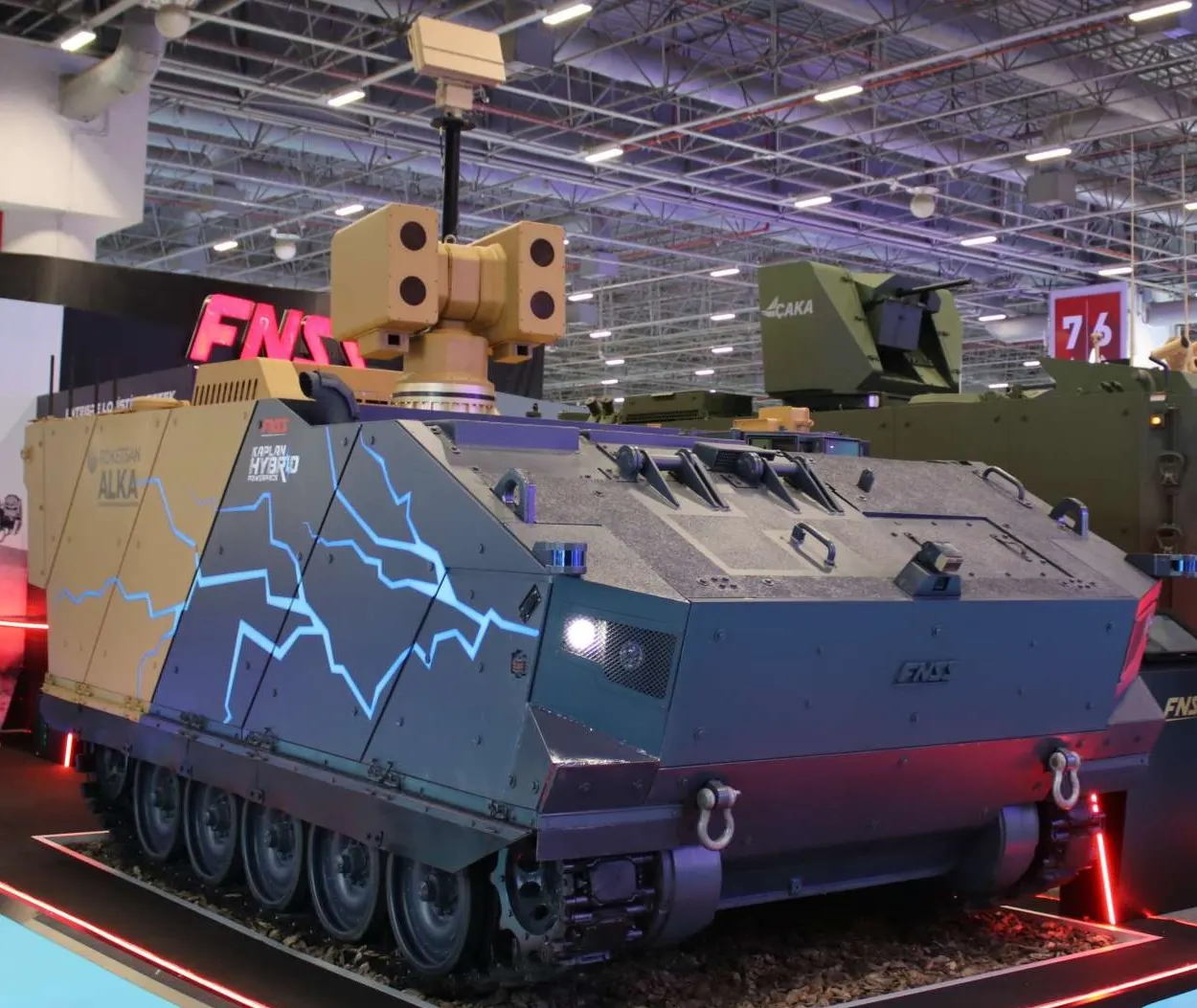
Turkey fielded its own operational laser system years earlier. Roketsan's ALKA, unveiled in 2019, combines an electromagnetic jamming soft-kill mode with a fiber laser hard-kill mode in a single vehicle-mounted or fixed unit, and Turkish forces reportedly used ALKA to shoot down a Wing Loong II unmanned combat aircraft near Misrata during the Western [Libya campaign](/en/conflicts/western-libya-campaign) in August 2019, one of the first confirmed laser-weapon air-to-air kills anywhere. ALKA's laser output has grown from roughly 2.5 kilowatts at introduction to more than 10 kilowatts in its current configuration, and ASELSAN fields a rival domestic Turkish laser in the Gökberk (sky guard) system, giving Turkey two competing indigenous directed-energy programs rather than one.11
China has pursued directed-energy weapons on multiple parallel tracks. Poly Technologies and China Electronics Technology Group Corporation's CETC SkyShield, an integrated multi-sensor system covered in more detail in the section below, includes a laser hard-kill turret component alongside its radar and jamming vehicles, and Chinese industry separately markets the Silent Hunter laser system, developed for police and paramilitary use and demonstrated destroying small drones and other soft targets at range. CASIC's LW-30, a roughly 30-kilowatt-class laser, and the smaller LY-1 round out a Chinese laser lineup marketed heavily at export defense exhibitions, alongside NORINCO's own directed-energy offerings covered in the gun-based section above.12

Israel built one of the category's earliest laser demonstrators in Light Blade, tested between 2010 and 2015 as a technology precursor to Israel's later, better-known Iron Beam air-defense laser program, and Elbit Systems currently fields two laser products of its own, the vehicle-mounted Sting laser and the higher-power XCalibur laser, extending Elbit's broader air-defense portfolio into the directed-energy space alongside its ReDrone detection system covered later in this article. Australia's Electro Optic Systems (EOS) fields the Apollo laser, a dedicated directed-energy weapon, separate from EOS's own gun-based Slinger remote weapon station, which pairs radar cueing with a conventional cannon rather than a laser.12

The United States fields the largest single cluster of directed-energy programs of any country. Epirus's Leonidas, a solid-state gallium-nitride high-power microwave system, defeated 61 of 61 target drones in testing, including a 49-drone simultaneous engagement at Camp Atterbury in August 2025, and became the first system of its kind confirmed to defeat a fiber-optic-guided first-person-view drone in December 2025. The Air Force Research Laboratory's THOR (Tactical High-power Operational Responder), built with BAE Systems Inc, disabled more than 100 drones cumulatively across its own test campaigns before losing the Army's IFPC-HPM competition to Leonidas in January 2023, and Germany's Diehl Defence fields a comparable HPEM system of its own for the European market.13
Raytheon's HELWS (High Energy Laser Weapon System) and Lockheed Martin's four-part laser portfolio round out the American cluster. Lockheed Martin's ATHENA demonstrator burned through drone and mortar targets in trials as early as 2015, the IFPC-HEL program (the same US Army competition Leonidas eventually won on the microwave side) also carries a 300-kilowatt-class high-energy laser track under Lockheed Martin, the compact DEIMOS fiber laser was tested in 2022, and the Navy's ODIN (Optical Dazzling Interdictor, Navy) fields a lower-power laser dazzler, already fitted to several Arleigh Burke-class destroyers since 2021, designed to blind a drone's sensor rather than destroy the airframe outright, a genuinely different engagement effect from the higher-power weapons covered elsewhere in this section.13 BlueHalo's LOCUST laser weapon and Japan's Acquisition, Technology and Logistics Agency (ATLA), working with Mitsubishi Heavy Industries, on a vehicle-mounted high-power laser demonstrator of its own, extend the same directed-energy race to two more countries. India's Defence Research and Development Organisation (DRDO) fields two directed-energy programs, the compact Mk-II(A) laser, and the broader JAU counter-drone jamming and detection unit, while Rheinmetall and MBDA jointly demonstrated a naval laser weapon aboard a German Navy frigate in the Baltic Sea in 2022, shooting down small aerial targets in a trial covered in more detail in the Naval and Vehicle-Mounted Systems section below.14
01RF Jamming, GNSS Spoofing, and Electronic Warfare
Soft-kill counter-drone systems disrupt a target's control link or navigation signal rather than physically destroying the airframe, and the category has grown its own genuine technical split between simple broadband jamming and a more surgical approach known as cyber-takeover. Britain's AUDS (Anti-UAV Defence System), built by a three-company consortium of Blighter Surveillance Systems, Chess Dynamics, and Enterprise Control Systems, launched in May 2015 and was rushed into service in Iraq within a year against Islamic State drones during the war against the Islamic State, combining a Blighter radar and Chess Dynamics electro-optic tracker with an Enterprise Control Systems RF jammer in one non-kinetic package. British forces deployed AUDS again within days of the December 2018 Gatwick Airport drone shutdown, and the system's North American licensee, Liteye Systems, now operates under Ondas Holdings' ownership after a series of corporate acquisitions.15

D-Fend Solutions' EnforceAir, fielded from around 2018, takes the more surgical cyber-takeover route rather than broadband jamming, seizing control of a hostile drone's own radio link and directing it to land safely rather than simply drowning its signal in noise, a technique that avoids the collateral RF interference a blunt jammer risks near an airport or a crowded event. The system has been fielded in more than 30 countries including several Five Eyes nations and was cleared by the American Federal Aviation Administration for airport safety use in 2024, and Motorola Solutions announced a $1.5 billion acquisition of D-Fend in June 2026, one of the largest corporate transactions in the counter-drone industry to date. Israel's Sentrycs built a direct rival in Cyber Over RF, taking the same drone-hijacking approach to the same civil-security and event-protection market D-Fend targets.15
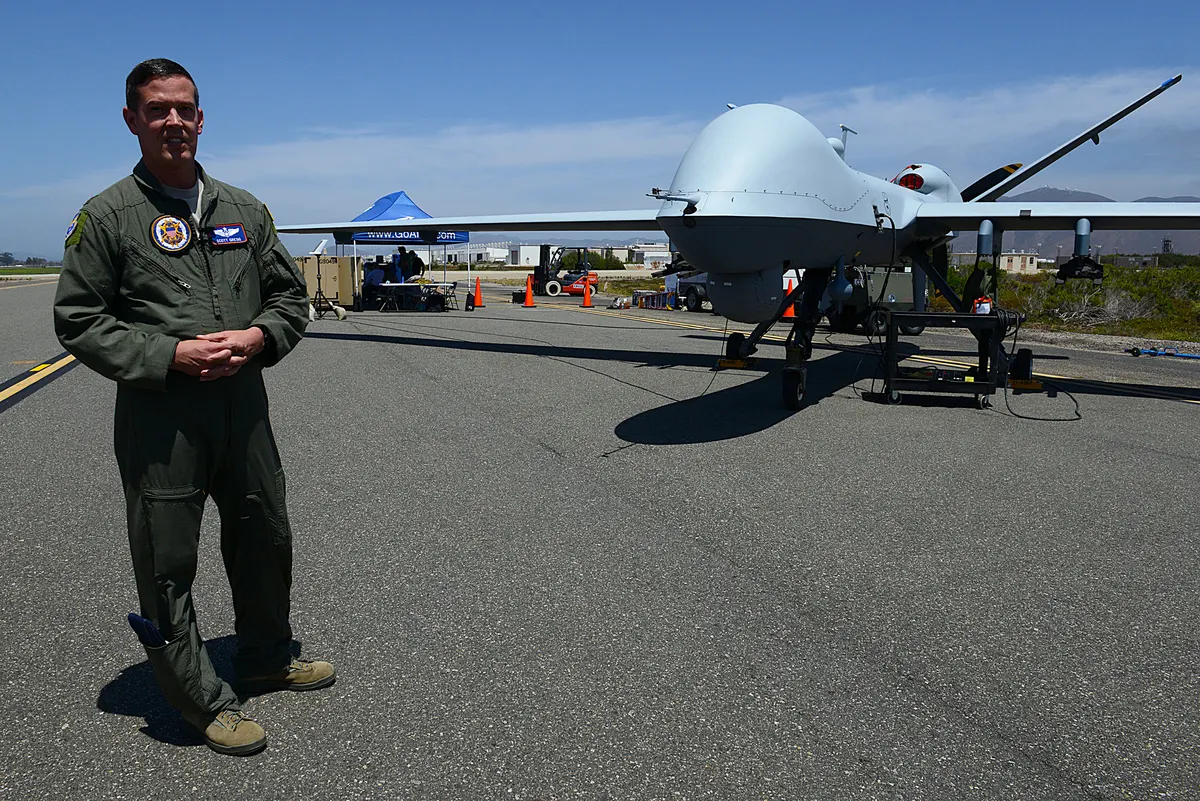
France's Thales built PARADE (Protection contre les Aéronefs Sans Pilote), a detection-and-jamming system for the French domestic and export market, and Saab's Loke, developed in Sweden, bundles detection and RF jamming for the Swedish and Nordic market along the same broad architecture as PARADE. Denmark's MyDefence took jamming in a genuinely different direction with Pitbull, a wearable, backpack-mounted jammer built to protect individual dismounted soldiers rather than a fixed site or vehicle, a product that saw real combat exposure once Ukrainian forces began fielding Western-supplied jammers against Russian reconnaissance and strike drones.16
Ukraine and Russia have both fielded extensive, often improvised electronic-warfare programs of their own under wartime pressure. Ukraine's Repellent-1, one of the earliest domestically built Ukrainian anti-drone jamming systems, entered service during the Donbas fighting years before the full-scale invasion and has been expanded and copied widely since 2022. Russia fields Pole-21, a GNSS jamming network deployed to protect major cities and government facilities including sites around Moscow, and the Stupor electronic-warfare system, both aimed at denying satellite navigation and control links to hostile drones over Russian and Russian-controlled territory. Israel's Regulus Cyber approaches the GNSS side of the same problem defensively with its Ring product, designed to detect and counter GPS spoofing and jamming attacks against friendly systems rather than to jam a hostile drone directly, illustrating how the same underlying spoofing and jamming technology gets deployed on both the offensive and defensive sides of the electronic-warfare problem.16
01Man-Portable Dronegun Rifles
Compressing an RF jammer into a rifle-shaped handheld tool gives an individual operator, rather than a fixed installation or a vehicle crew, the ability to disable a nearby drone directly. DroneShield, an Australian company, built the category's most widely fielded family. The DroneGun Tactical, released in January 2018, weighs roughly 7.3 kilograms and reaches out to about 2.5 kilometers, and secured a $3.2 million, 70-unit order to an undisclosed Middle Eastern customer in June 2018, at the time the largest single counter-drone shipment on record. The lighter, pistol-shaped DroneGun MkIII, unveiled in July 2019 at roughly 2 kilograms and a shorter 500-meter range, and the newer DroneGun Mk4 extend the same family across different weight and range classes, and Belgium's armed forces signed a combined €2.8 million contract for Tactical and MkIII units in December 2025.17
American company IXI Technology built a rival handheld jammer in the Dronekiller, aimed at the same law-enforcement and military dismounted-operator market DroneShield's products serve. Iran fields its own handheld jamming rifle in the Pishal anti-drone gun, and Russia has fielded several comparable systems during the Russo-Ukrainian war, among them the Serp-VS6 (serp meaning sickle in Russian), the PPSh Laboratory LPD-802 (a private Russian manufacturer that took its company name from the wartime PPSh-41 submachine gun), and the Sapsan-Bekas, all built to give individual Russian soldiers and vehicle crews a way to jam a nearby first-person-view drone without waiting for a dedicated electronic-warfare unit to respond.17
Nearly every dronegun rifle covered in this section attacks the same narrow band of frequencies a small commercial or improvised drone actually depends on, the 2.4 and 5.8 gigahertz bands most consumer control links and video downlinks use, and the L1 and L2 GPS bands a drone's autopilot needs for stable position holding. A dronegun does not need to identify the exact make of drone in front of it to defeat it, only to flood the frequencies that airframe is statistically almost certain to be using, which is why the same basic rifle shape and jamming approach has spread from Australia's DroneShield to Iran's Pishal and Russia's Serp-VS6 with only minor differences in weight, range, and battery life separating one national design from another. That convergence on a shared, narrow set of frequencies is also the technology's core limitation, since it does nothing against a drone flying on a pre-programmed route with no live control link at all, the same gap passive RF detection struggles with, described above in the Detection section.
02Integrated and Layered Multi-Sensor Systems
Rather than sell a single sensor or a single weapon, several manufacturers package radar, radio-frequency detection, electro-optical tracking, and a jamming or kinetic response into one product marketed as a complete answer to the drone problem. Israel Aerospace Industries' Drone Guard, built by its Elta radar division and unveiled in November 2015, combines an AESA radar capable of tracking more than 200 simultaneous targets at ranges up to 20 kilometers with a COMINT sensor, an electro-optical tracker that can run in a covert passive EO mode without emitting a detectable radar signal, and an RF jammer, and secured Argentina's G20 summit and the Youth Olympics in 2018. A partnership with Israel's Iron Drone program added a hard-kill interceptor option in June 2020, and a fifth-generation version was unveiled in October 2025.18

Rafael Advanced Defense Systems' Drone Dome, unveiled in 2016, follows a broadly similar architecture, combining a RADA radar, a Controp electro-optical tracker, and a Netline RF jammer, with an optional Drone Dome-L laser hard-kill variant that reported a 100 percent intercept rate against Phantom-class drone targets in a December 2019 test. The United Kingdom purchased six units for roughly $20 million in August 2018, and the system was certified at the US Army's Yuma Proving Ground in November 2022, placing it on the Pentagon's shortlist of approved counter-drone vendors.18

Leonardo's Falcon Shield, unveiled in 2015 by the company then still known as Finmeccanica-Selex ES, took the same system-of-systems approach a step further by layering radar, electro-optical and RF direction-finding sensors under a jamming and cyber-response command layer. The Royal Air Force fielded it operationally at Gatwick Airport from December 2018 under the formal designation ORCUS, and again at Heathrow in 2019, though in both cases the system's role was limited to confirming the absence of a drone rather than intercepting a confirmed one, since no drone was ever physically recovered from either incident. Canada signed an export contract for Falcon Shield in February 2024.19

China's integrated entry, China Electronics Technology Group Corporation and Poly Technologies' SkyShield, pairs a three-dimensional search radar and an AESA counter-drone radar with two dedicated jamming vehicles and a laser hard-kill turret. Chinese marketing credits the system with downing 21 Houthi drones near Jeddah in 2022 with no leakage, during the Saudi-led intervention in the Yemeni civil war and the wider Red Sea crisis, though independent reporting suggests the laser component needs 15 to 30 minutes of continuous illumination to defeat a target in desert heat conditions, well short of the near-instant kill times shown in promotional material.19 Elbit Systems' own integrated offering, ReDrone, bundles detection and RF jamming for the Israeli and export markets, extending Elbit's directed-energy portfolio (covered above in the Sting and XCalibur lasers) into a lower-cost, non-kinetic integrated product.
Several further integrated systems round out the category across smaller national programs. India's Bharat Electronics Limited built the D4 anti-drone system (Detect, Deter, Destroy), fielded prominently at high-profile events including India's Republic Day parade security, and Solar Defence and Aerospace's Bhargavastra, unveiled in 2024, takes an unusual approach to the swarm problem specifically, using a battery of low-cost micro-missiles rather than a single interceptor to engage multiple drones at once. Israel's Skylock built its own layered detection-and-jamming suite in SkyDome, used for security at high-profile events including the World Economic Forum in Davos, and American company SRC Inc (Syracuse Research Corporation) fields Silent Archer, one of the category's longer-serving integrated systems, combining radar, electro-optical tracking, and jamming for airport and critical-infrastructure protection since roughly 2015. South Korea's Hanwha Aerospace markets its own bundled Counter-Drone System alongside the Skylight sensor covered earlier, and MBDA's Sky Warden, unveiled for the broader European market, and the little-documented Novasky CY200 round out the integrated-system category at its less-documented margin.20
01Naval and Vehicle-Mounted Systems
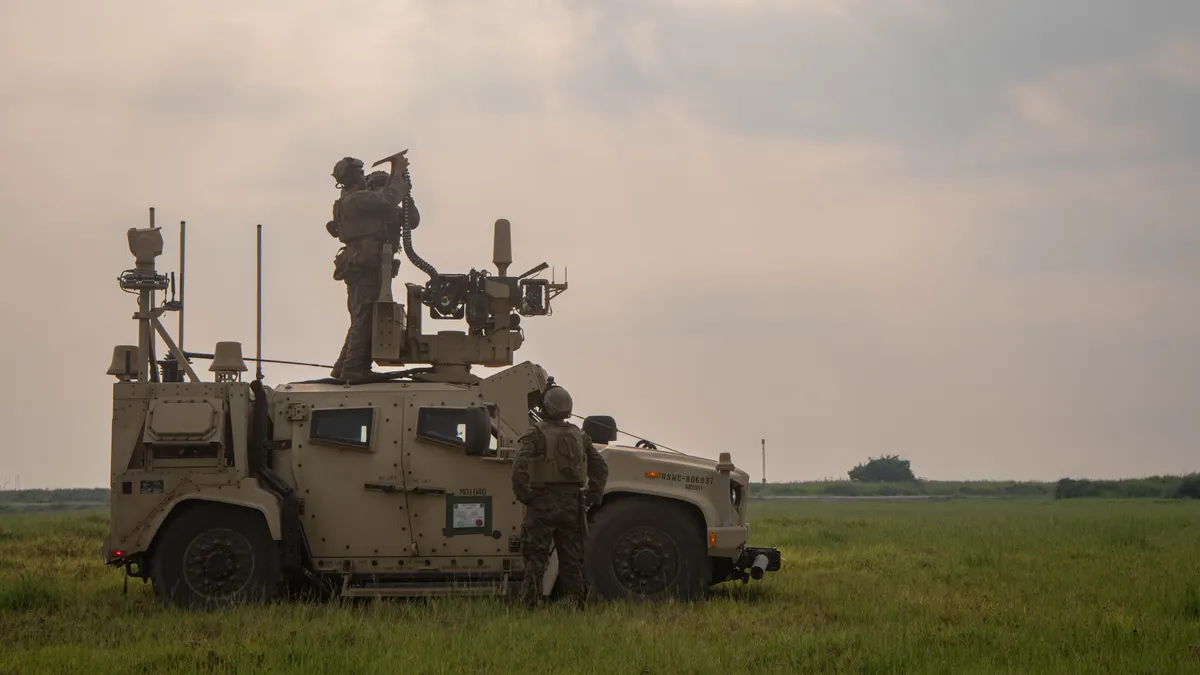
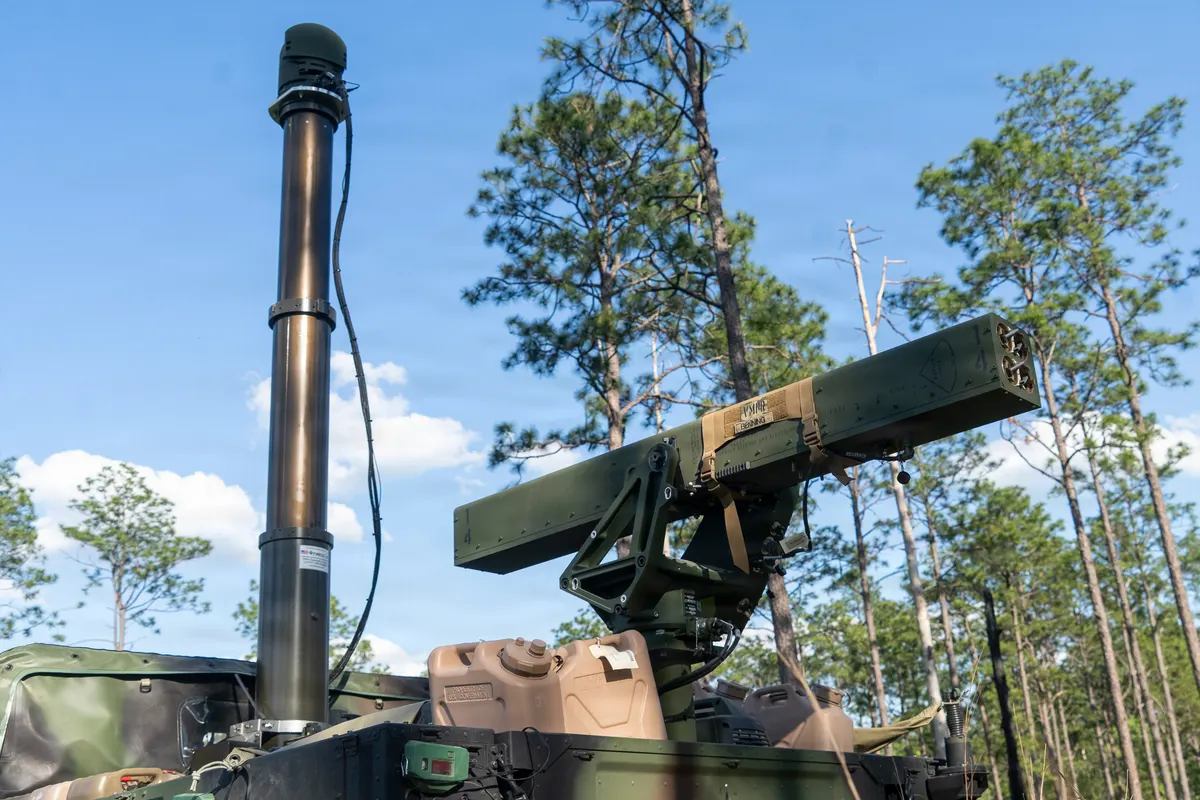
Ships and armored vehicles need counter-drone protection built into their own platforms rather than deployed as a separate fixed installation, and several of the technologies already covered in this article have been adapted specifically for that role. Warships have carried a shipborne CIWS for decades as a last-ditch defense against incoming missiles and aircraft, and the drone-specific systems covered in this section largely extend that same close-in point-defense mission to a cheaper, slower, more numerous threat that a full CIWS mount was never optimized to engage economically. The USMC MADIS (Marine Air Defense Integration System), first fielded operationally in December 2024, pairs two Joint Light Tactical Vehicles built by Oshkosh Corporation, one carrying a 30 mm cannon and Stinger missiles from Sierra Nevada Corporation, the other a 360-degree AESA radar and a Modi II jamming suite drawing on components from Leonardo DRS and Kongsberg. MADIS traces back to the earlier, lighter L-MADIS, which achieved one of the category's genuine firsts in July 2019, when a US Navy amphibious ship, the USS Boxer, jammed down an Iranian drone in the Strait of Hormuz, the first confirmed US Navy shipboard drone-jamming kill.21
The Houthi campaign against merchant and naval shipping during the Red Sea crisis forced the US Navy and its allies to confront the same cost-exchange problem at sea that land forces faced earlier in Iraq and Ukraine. A medium-range or long-range surface-to-air missile designed to destroy a supersonic anti-ship cruise missile is a wildly uneconomical way to destroy a slow, cheap Houthi attack drone, which is the specific gap Raytheon Coyote (covered above), Anduril Roadrunner, and L3Harris Technologies' VAMPIRE were all pressed into naval service to close.
L3Harris Technologies' VAMPIRE, unveiled in May 2022, takes a vehicle-agnostic approach, a laser-guided APKWS II 70 mm rocket launcher and electro-optical turret palletized onto any flatbed truck rather than built into a dedicated hull. Fourteen units reached Ukraine by December 2023, and the system scored its first independently confirmed combat kill in February 2024, downing a Shahed-136 in footage released by the Ukrainian navy, at a cost of roughly $27,500 per guided rocket against a Shahed unit cost estimated near $35,000, one of the rare cases in this category where the interceptor genuinely costs less than the threat it defeats. The US Army placed its first order for the system, worth $106 million, in June 2026.21
Anduril's Roadrunner, already covered above for its reusable interceptor design, has itself become a naval system in practice, with the US Navy arming Arleigh Burke-class destroyers escorting the USS Gerald R. Ford carrier strike group beginning in March 2025. Britain's DragonFire, also covered above, is scheduled to reach its own first shipborne fit aboard Royal Navy Type 45 destroyers in 2027, and Germany extended the same naval laser concept earlier still, when Rheinmetall and MBDA jointly tested a naval laser weapon demonstrator aboard the frigate Sachsen in the Baltic Sea in 2022, successfully engaging small aerial targets with a roughly 20-kilowatt beam.22
Land vehicles carry their own family of mounted systems beyond MADIS. Turkey's ASELSAN Korkut, already covered in the Gun-Based and Kinetic Hard-Kill section above, and Kongsberg's CORTEX Typhon remote weapon station both scale a gun-based turret onto a vehicle chassis for mobile short-range coverage, extending the same mobile protection logic MADIS applies at a larger, dedicated scale. American programs such as the US Air Force's NINJA, a non-kinetic vehicle-mounted counter-drone jamming system fielded to protect air bases, and Rafael's naval-adjacent Hunter Eagle interceptor covered earlier extend the same vehicle- and platform-mounted logic across still more national programs, closing out the naval and vehicle-mounted branch of the counter-drone family.22
01The Loitering-Munitions Arms Race
Every system covered in this article exists because of the loitering munition and the cheap first-person-view attack drone, and the relationship between the two categories has become a genuine, fast-moving arms race rather than a settled technical problem. Iran's mass-produced Shahed-136 and Russia's licensed Geran-2 derivative, described in detail in the loitering-munitions pillar article, are built specifically to be cheap enough to launch in large numbers, saturating a defender's interceptor stock faster than that defender can afford to replace it. A $100,000 Coyote round or a $500,000 Roadrunner intercepting a $20,000 to $50,000 Shahed is not a sustainable exchange rate over a long war, which is exactly why the cheapest technology families covered in this article, dronegun rifles, RF jammers, and low-cost interceptor drones such as Origin Robotics' BLAZE and Wild Hornets' Sting, matter as much to the overall defense picture as the far more expensive directed-energy and guided-rocket systems that dominate press coverage.
The threat driving this article has also broadened well beyond the battlefield loitering munition it started with. Civil airports, prisons, stadiums, and government sites now buy the same detection and jamming technology developed for a front-line army, which is why companies such as CACI, Dedrone, and D-Fend Solutions market their detection and cyber-takeover products as much to airport security directors and event organizers as to defense ministries. That civil market has its own regulatory complications a purely military buyer never has to navigate, since jamming a drone's control link in a populated area risks interfering with other legitimate radio traffic nearby, a concern that shaped D-Fend EnforceAir's non-jamming cyber-takeover design and the American Federal Aviation Administration's 2024 clearance decision covered earlier in the RF Jamming, GNSS Spoofing, and Electronic Warfare section.
The category's technical center of gravity keeps shifting toward whichever side of the cost equation a given war demands. Israel's SmartShooter SMASH 2000 shows that a cheap, human-operated sight can produce a genuine combat record (thousands of units used during the Gaza War) at a fraction of the cost of any radar-cued interceptor. China's CETC SkyShield and Israel's Rafael Drone Dome show how far an integrated, multi-sensor package can be marketed even when independent testing raises real questions about its performance under realistic conditions. Directed-energy weapons such as DragonFire and Leonidas point toward a future where the marginal cost of defeating one more drone approaches the cost of the electricity used to fire the beam, a economics-driven promise that has not yet been proven at the scale a sustained mass-drone campaign like the one over Ukraine actually demands. Whichever approach ultimately wins out is likely to be decided the same way the loitering-munition side of this arms race was decided, by whichever military is actually fighting a war large enough to force a real answer rather than a peacetime demonstration.
01Notes and Sources
- C-UAS archive, Rohde & Schwarz ARDRONIS, CACI SkyTracker, Dedrone RF-360, Black Sage Defense OS, Military Archive, /en/weapons/rohde-schwarz-ardronis, /en/weapons/caci-skytracker, /en/weapons/dedrone-rf-360, /en/weapons/black-sage-defense-os ↩
- C-UAS archive, Reutech Counter-UAV System, Centauri CRx-7, Centauri CRx-30, Centauri CRx-40, Centauri TriAD, Hanwha Skylight, QinetiQ Obsidian, Military Archive, /en/weapons/reutech-counter-uav-system, /en/weapons/centauri-crx-7, /en/weapons/centauri-crx-30, /en/weapons/centauri-crx-40, /en/weapons/centauri-triad, /en/weapons/hanwha-skylight, /en/weapons/qinetiq-obsidian ↩
- C-UAS archive, Meteksan Kapan, Aselsan İHTAR, GIDS Spider, KASHF anti-drone system, APS FIELDctrl, Silok anti-drone system, SkyFall P1-SUN, SteelRock NightFighter Mini, Military Archive, /en/weapons/meteksan-kapan, /en/weapons/aselsan-ihtar, /en/weapons/gids-spider, /en/weapons/kashf-anti-drone-system, /en/weapons/aps-fieldctrl, /en/weapons/silok-anti-drone-system, /en/weapons/skyfall-p1-sun, /en/weapons/steelrock-nightfighter-mini ↩
- C-UAS archive, Raytheon Coyote, Anduril Anvil, Anduril Roadrunner, Military Archive, /en/weapons/raytheon-coyote, /en/weapons/anduril-anvil, /en/weapons/anduril-roadrunner ↩
- C-UAS archive, AerialX DroneBullet, MARSS NiDAR Interceptor-MR, APS SKYctrl Interceptor Drone, Rafael Hunter Eagle, Rafael Iron Wasp, Origin Robotics BLAZE, Military Archive, /en/weapons/aerialx-dronebullet, /en/weapons/marss-nidar-interceptor-mr, /en/weapons/aps-skyctrl-interceptor-drone, /en/weapons/rafael-hunter-eagle, /en/weapons/rafael-iron-wasp, /en/weapons/origin-robotics-blaze ↩
- C-UAS archive, Wild Hornets Sting, DZYNE IonStrike, Skylance DroneHammer, Military Archive, /en/weapons/wild-hornets-sting, /en/weapons/dzyne-ionstrike, /en/weapons/skylance-dronehammer ↩
- C-UAS archive, Fortem DroneHunter F700, Delft Dynamics DroneCatcher, OpenWorks SkyWall 100, OpenWorks SkyWall 300, Military Archive, /en/weapons/fortem-dronehunter-f700, /en/weapons/delft-dynamics-dronecatcher, /en/weapons/openworks-skywall-100, /en/weapons/openworks-skywall-300 ↩
- C-UAS archive, Ondas Iron Drone Raider, Netgun.com UltraNet, ParaZero DefendAir, Skylance DroneHammer, Military Archive, /en/weapons/ondas-iron-drone-raider, /en/weapons/netgun-com-ultranet, /en/weapons/parazero-defendair, /en/weapons/skylance-dronehammer ↩
- C-UAS archive, Allen Control Systems Bullfrog, SmartShooter SMASH 2000, Military Archive, /en/weapons/allen-control-systems-bullfrog, /en/weapons/smartshooter-smash-2000 ↩
- C-UAS archive, Aselsan Korkut 100/25 SB, Aselsan ŞAHİN, NORINCO OW5-A50, CASIC FK-3000, Zen Technologies ADS-HK, Kongsberg CORTEX Typhon, STM Kangal, Military Archive, /en/weapons/aselsan-korkut-100-25-sb, /en/weapons/aselsan-sahin, /en/weapons/norinco-ow5-a50, /en/weapons/casic-fk-3000, /en/weapons/zen-technologies-ads-hk, /en/weapons/kongsberg-cortex-typhon, /en/weapons/stm-kangal ↩
- C-UAS archive, DragonFire, CILAS HELMA-P, ALKA, Aselsan Gökberk, Military Archive, /en/weapons/dragonfire, /en/weapons/cilas-helma-p, /en/weapons/alka, /en/weapons/aselsan-gokberk ↩
- C-UAS archive, CETC SkyShield, Silent Hunter, CASIC LW-30, LY-1, Light Blade, Elbit Sting laser, Elbit XCalibur laser, EOS Apollo laser, EOS Slinger, Military Archive, /en/weapons/cetc-skyshield, /en/weapons/silent-hunter, /en/weapons/casic-lw-30, /en/weapons/ly-1, /en/weapons/light-blade, /en/weapons/elbit-sting-laser, /en/weapons/elbit-xcalibur-laser, /en/weapons/eos-apollo-laser, /en/weapons/eos-slinger ↩
- C-UAS archive, Epirus Leonidas, THOR (Tactical High-power Operational Responder), Diehl Defence HPEM, Military Archive, /en/weapons/epirus-leonidas, /en/weapons/thor-tactical-high-power-operational-responder, /en/weapons/diehl-defence-hpem ↩
- C-UAS archive, Raytheon HELWS, Lockheed Martin ATHENA, Lockheed Martin IFPC-HEL, Lockheed Martin DEIMOS, Lockheed Martin ODIN, BlueHalo LOCUST, ATLA MHI Vehicle-Mounted High-Power Laser Demonstrator, DRDO Mk-II(A) laser, DRDO JAU, Rheinmetall MBDA Naval Laser Weapon Demonstrator, Military Archive, /en/weapons/raytheon-helws, /en/weapons/lockheed-martin-athena, /en/weapons/lockheed-martin-ifpc-hel, /en/weapons/lockheed-martin-deimos, /en/weapons/lockheed-martin-odin, /en/weapons/bluehalo-locust, /en/weapons/atla-mhi-vehicle-mounted-high-power-laser-demonstrator, /en/weapons/drdo-mk-ii-a-laser, /en/weapons/drdo-jau, /en/weapons/rheinmetall-mbda-naval-laser-weapon-demonstrator ↩
- C-UAS archive, AUDS Anti-UAV Defence System, D-Fend EnforceAir, Sentrycs Cyber Over RF, Military Archive, /en/weapons/auds-anti-uav-defence-system, /en/weapons/d-fend-enforceair, /en/weapons/sentrycs-cyber-over-rf ↩
- C-UAS archive, Thales PARADE, Saab Loke, MyDefence Pitbull, Repellent-1, Pole-21, Stupor EW system, Regulus Cyber Ring, Military Archive, /en/weapons/thales-parade, /en/weapons/saab-loke, /en/weapons/mydefence-pitbull, /en/weapons/repellent-1, /en/weapons/pole-21, /en/weapons/stupor-ew-system, /en/weapons/regulus-cyber-ring ↩
- C-UAS archive, DroneShield DroneGun Tactical, DroneShield DroneGun MkIII, DroneShield DroneGun Mk4, IXI Technology Dronekiller, Pishal anti-drone gun, Serp-VS6, PPSh Laboratory LPD-802, Sapsan-Bekas, Military Archive, /en/weapons/droneshield-dronegun-tactical, /en/weapons/droneshield-dronegun-mkiii, /en/weapons/droneshield-dronegun-mk4, /en/weapons/ixi-technology-dronekiller, /en/weapons/pishal-anti-drone-gun, /en/weapons/serp-vs6, /en/weapons/ppsh-laboratory-lpd-802, /en/weapons/sapsan-bekas ↩
- C-UAS archive, IAI Drone Guard, Rafael Drone Dome, Military Archive, /en/weapons/iai-drone-guard, /en/weapons/rafael-drone-dome ↩
- C-UAS archive, Leonardo Falcon Shield, CETC SkyShield, Military Archive, /en/weapons/leonardo-falcon-shield, /en/weapons/cetc-skyshield ↩
- C-UAS archive, Elbit Systems ReDrone, BEL D4 Anti-Drone System, Solar Defence Bhargavastra, Skylock SkyDome, SRC Silent Archer, Hanwha Counter-Drone System, MBDA Sky Warden, Novasky CY200, Military Archive, /en/weapons/elbit-systems-redrone, /en/weapons/bel-d4-anti-drone-system, /en/weapons/solar-defence-bhargavastra, /en/weapons/skylock-skydome, /en/weapons/src-silent-archer, /en/weapons/hanwha-counter-drone-system, /en/weapons/mbda-sky-warden, /en/weapons/novasky-cy200 ↩
- C-UAS archive, USMC MADIS, L3Harris VAMPIRE, Military Archive, /en/weapons/usmc-madis, /en/weapons/l3harris-vampire ↩
- C-UAS archive, Anduril Roadrunner, DragonFire, Rheinmetall MBDA Naval Laser Weapon Demonstrator, USAF NINJA, Military Archive, /en/weapons/anduril-roadrunner, /en/weapons/dragonfire, /en/weapons/rheinmetall-mbda-naval-laser-weapon-demonstrator, /en/weapons/usaf-ninja ↩


