

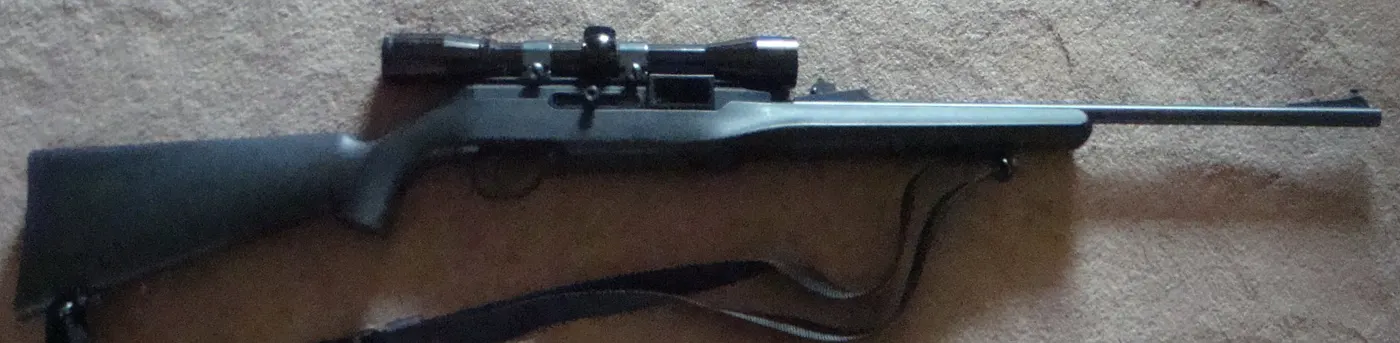

The Remington Model 522 Viper is a .22 Long Rifle semi-automatic rimfire rifle built by Remington Arms and sold from 1993 to 1997.1 It belongs to the same broad semi-automatic rifles category as the company's earlier Remington Model 8, though the Viper sits at the opposite end of the market, a mass-market .22 LR plinker rather than a big-game hunting rifle. Remington built the Viper to plug a gap in its own catalog. The Remington Nylon 66, the company's famous all-nylon rimfire semi-automatic, had gone out of production in 1989, and for four years Remington had no low-cost semi-automatic rimfire rifle on shelves at all.2 The Model 522 Viper filled that gap at a launch price around $90 to $100, aimed squarely at first-time shooters, small-game hunters, and the plinking market the Nylon 66 had dominated for three decades.1,3
- Low retail price for a new .22 LR semi-automatic in the 1990s
- Lightweight all-polymer construction, easy for younger or smaller shooters to handle
- Integral scope rail, no separate mount needed
- Magazine disconnect and manual safety plus last-round bolt hold-open
- Detachable magazine's plastic feed lips and weak spring caused frequent jams
- Reliability worsened with hollow-point or flat-nose ammunition
- No sling swivel studs on the stock
- Short five-year production run left a thin spare-parts and accessory market
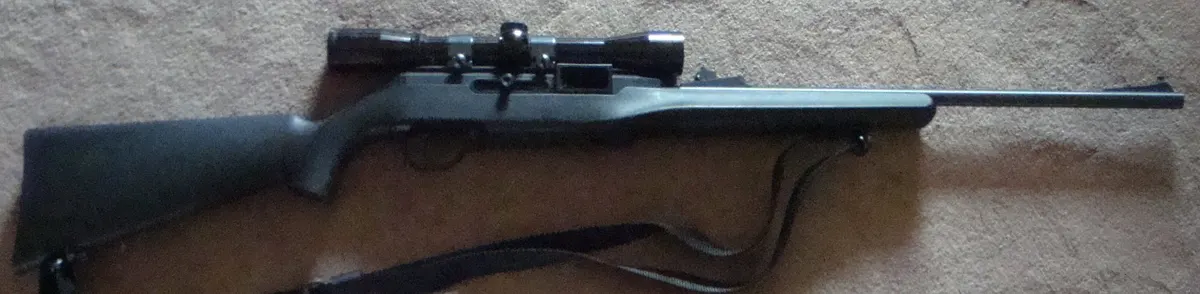
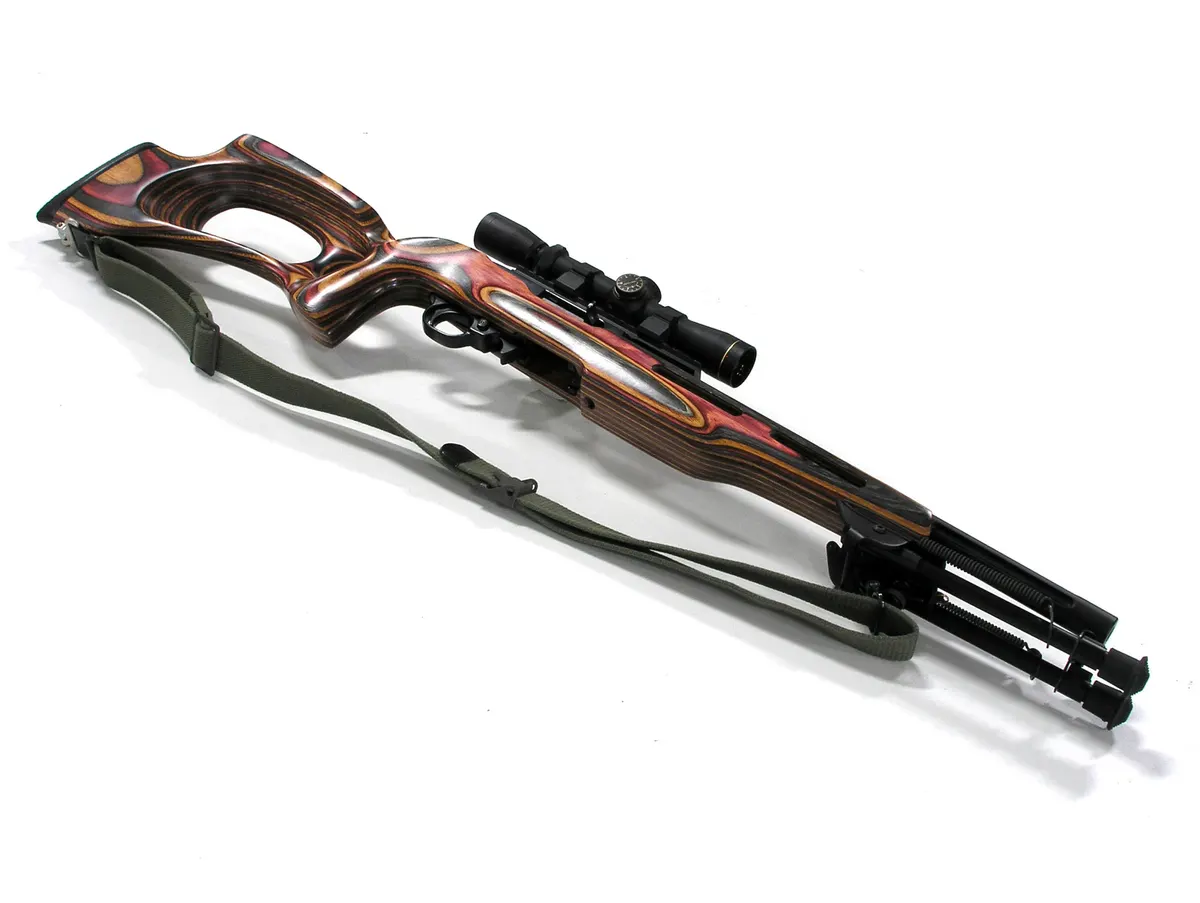
Construction leaned even further into synthetic materials than the Nylon 66 had. The receiver is polymer, permanently bonded to the barrel rather than pinned as a separate part, and the stock is molded from Rynite, a DuPont-engineered thermoplastic. Only the barrel, the bolt, and a handful of small internal parts are steel.1,4 The action is a simple blowback semi-automatic, standard for a low-pressure rimfire cartridge, feeding from a 10-round detachable magazine. Remington briefly offered a 25-round Viper magazine before the 1994 Federal Assault Weapons Ban effectively ended new production of magazines above 10 rounds, but the standard 10-round box remained the rifle's defining, and most criticized, component throughout its production run.1,5
Remington ended Model 522 Viper production after roughly five years and replaced it in its own lineup with the Remington Model 597 in 1997, a rifle engineered specifically to fix the Viper's reputation for jamming.6 Understanding why the Viper failed to hold its market position, and why the Ruger 10/22 did not, is largely a story about one part, the detachable box magazine, and how differently two manufacturers solved the same rimfire feeding problem.
The Remington Model 522 Viper's most distinctive design choice is how much of the rifle is not steel at all. Only the barrel, the bolt, and a few small internal parts are machined steel. Everything else, receiver included, is molded polymer, with the stock formed from Rynite, DuPont's glass-reinforced thermoplastic resin.1,4 The polymer receiver is permanently fixed to the barrel rather than removable, a departure from the takedown-friendly Nylon 66 it replaced.1 Overall weight comes in at roughly 2.05 kilograms (4.5 pounds) unloaded, with some contemporary sources listing it closer to 2.1 kilograms (4.6 to 4.63 pounds), likely reflecting minor batch-to-batch variation typical of a budget rimfire rifle rather than a meaningful design change.1,4,7
- İlk Üretim Yılı1993
- Ağırlık (Boş)2,05 kg
- Ağırlık (Yüklü)2,08 kg
- Halen HizmetteHayır
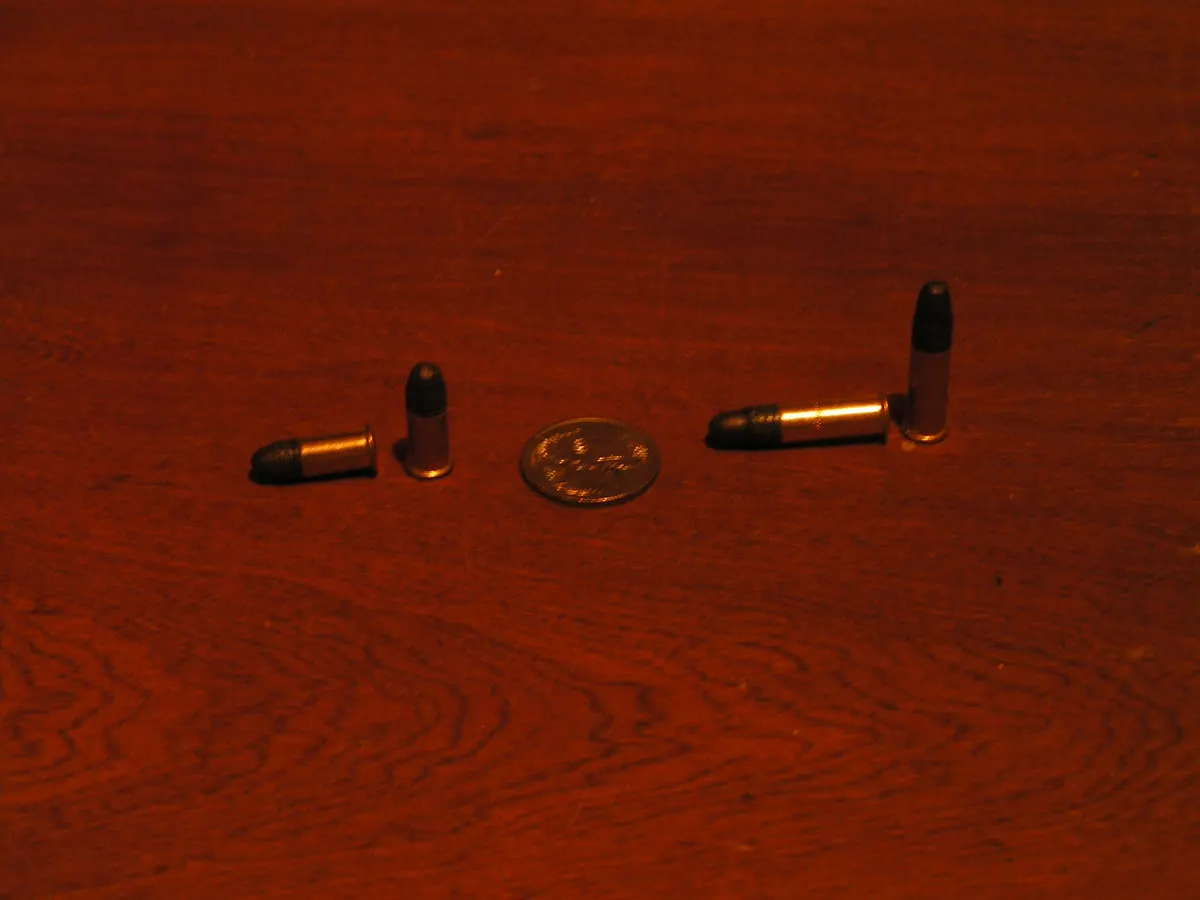
Barrel length is 508 millimeters (20 inches), chambered for the .22 Long Rifle cartridge (5.6mm bore, roughly 15.6mm case length), with published muzzle velocities in the 305 to 460 meters per second (1,000 to 1,500 feet per second) range depending on ammunition, and an effective range of around 150 meters typical of any rimfire sporting rifle.1,4 Sights are fixed and adjustable iron sights machined onto the barrel, backed by an integral scope mount rail molded into the receiver, so no separate scope base is needed to add optics.1,4 The rifle has no iron sight elevation drama to speak of, it is a plinking gun first, but the built-in rail was a genuine convenience feature for a rifle at this price point in 1993.
- Fişek.22 Long Rifle
- Çap5,6 mm
- Kovan Uzunluğu15,6 mm
- Çap Sınıfıkenar ateşlemeli
- Mermi Ağırlığı2,6 g
- Kenar AteşlemeliEvet
- Kovansız MühimmatHayır
Feeding is from a 10-round detachable box magazine, the rifle's single most consequential design decision. Unlike the rotary magazine mechanisms other .22 LR semi-automatics of the era used, the Viper's magazine is a conventional stacked box with a polymer body and a comparatively light spring. Loaded near capacity, particularly past five or six rounds, the magazine's spring tension proved too weak to push rounds up reliably, and the rifle would fail to feed.8 Remington briefly produced a 25-round extended magazine for the Viper, but its window was tiny: the rifle launched only months before the 1994 Federal Assault Weapons Ban restricted new manufacture of detachable magazines holding more than 10 rounds, and the 25-round Viper magazine essentially disappeared from production before most buyers ever saw one.1,5
- Mekanizma TipiBlowback (Geri İtmeli)
- Atış Modlarıyarı otomatik
- Seçmeli AtışHayır
- Besleme SistemiÇıkarılabilir Şarjör
- Şarjör Kapasitesi10
- Emniyet Tipişarjör ayırıcı ve manuel
Safety features are more complete than the price point might suggest, a magazine disconnect safety (the rifle will not fire with the magazine removed, even with a round chambered), a separate manual thumb safety, and a last-round bolt hold-open that locks the action back once the magazine runs dry.1,4 The rifle has no provision for sling swivel studs, an omission collectors still note as a design oversight for a rifle otherwise aimed at younger and first-time shooters who might reasonably want a sling.4
- Namlu Çıkış Hızı305 m/sn
- Azami Menzil150 m
One correction is worth flagging against the database record commonly cited for the Model 522 Viper: some catalog entries list the rifle's loaded weight as lower than its empty weight, which is not physically possible, a loaded magazine and chambered round can only add mass. The empty weight of roughly 2.05 kilograms (4.5 pounds) is well supported across multiple sources; the loaded weight should read slightly higher, not lower, likely by 30 to 40 grams once a full 10-round .22 LR magazine and chambered cartridge are accounted for.1,4,7
- Namlu Uzunluğu508 mm
- Nişangah TipiWilliams tipi arka gezli demir nişangah
- Optik RayıEvet
- Açık NişangahEvet
- Dişli NamluHayır
- Gövde Malzemesi (Receiver)polimer
- Kabza/Dipçik MalzemesiRynite
- Katlanır / Toplanır DipçikHayır
- Bullpup DüzeniHayır
- Çift Yönlü KumandalarHayır
- Susturucuya HazırHayır
- Süngü TakozuHayır
- Entegre BipodHayır
- Bombaatar KabiliyetliHayır
- Gaz PistonluHayır
- Üretim Başlangıcı1993
- Üretim Bitişi1997
- Varyantlar1
Remington's low-cost rimfire semi-automatic tradition began with the Remington Nylon 66, produced from 1959 to 1989 and built from DuPont's Zytel nylon resin, one of the first mass-produced rifles to use a non-wood stock material.2 When Remington finally retired the Nylon 66 in 1989, worn production tooling being the immediate cause, the company had no direct low-cost semi-automatic .22 Long Rifle replacement in its catalog for four years.2 That gap is the direct context for the Remington Model 522 Viper, introduced in 1993 as Remington's return to the entry-level semi-automatic rimfire market, priced around $90 to $100 at launch and aimed at the same first-time shooters, small-game hunters, and casual plinkers the Nylon 66 had served for three decades.1,3
The timing of the Viper's launch turned out to matter more than Remington could have anticipated. Congress passed the Violent Crime Control and Law Enforcement Act of 1994, whose Title XI included the Federal Assault Weapons Ban, and President Bill Clinton signed it into law on September 13, 1994, barely a year after the Viper reached dealer shelves.5,10 The ban's magazine provisions capped newly manufactured detachable magazines at 10 rounds, which ended Remington's brief run of 25-round Viper magazines almost as soon as it began and locked the rifle permanently into its standard 10-round configuration.1,5
Beyond the legal timing, the Viper faced a market that the Sturm, Ruger and Co. Ruger 10/22 had already dominated for nearly three decades by the time the Viper launched.11 Early press reception for the Viper was generally positive, praising the low price and the integral scope rail, but reports of magazine-related jamming accumulated quickly among owners once the rifle reached wider circulation, and the rifle's reputation for reliability never fully recovered.8,9 Remington kept the Model 522 Viper in production for roughly five years before discontinuing it, with most sources placing the end of production in 1997, though some retailer and parts-catalog records extend into 1998, most likely reflecting sell-through of remaining inventory rather than continued manufacturing.1,12
Remington replaced the Model 522 Viper in 1997 with the Remington Model 597, a rifle deliberately engineered to fix the Viper's core complaints. The 597 kept a synthetic stock option but added a steel bolt riding on twin steel guide rails, a nickel-Teflon-coated bolt and trigger group, and a reworked 10-round detachable magazine with a more reliable spring geometry.6 The 597 went on to stay in production until 2019, more than four times the Viper's run, which is itself a fairly direct verdict on how much the magazine and feeding fixes mattered to buyers.6,13
The Remington Model 522 Viper never developed the kind of variant tree that Remington built around either the Nylon 66 before it or the Model 597 after it. There is essentially one core configuration, a blued 20-inch barrel, black Rynite stock, 10-round detachable magazine, and an integral scope rail, sold with only minor cosmetic differences across the production run.1,4
The one real configuration change is the magazine itself. Early production briefly included a 25-round extended magazine alongside the standard 10-round unit, but the 1994 Federal Assault Weapons Ban's restriction on newly manufactured high-capacity magazines effectively erased that option within the rifle's first year or two on the market, leaving the 10-round magazine as the only version most buyers ever encountered.1,5
Unlike the Model 597 that succeeded it, which Remington later offered in heavy-barrel, laminated-stock, and rimfire-magnum chamberings, the Viper was never expanded into a broader product family before it was discontinued.6

The Remington Model 522 Viper was a purely civilian commercial rifle, never adopted by any military or law-enforcement service, and its distribution reflects that. The rifle was sold across the United States civilian retail market from 1993 to 1997 through Remington's normal dealer network, aimed at first-time shooters, small-game hunters, and plinkers rather than any institutional buyer.1,3 Secondary listings on Canadian firearms retail and classified sites indicate the rifle also circulated in Canada, most plausibly through ordinary cross-border secondary sales and gray-market import rather than a documented Remington distribution agreement specific to the Viper, so that reach should be read as informal rather than confirmed institutional distribution.14
The clearest way to understand why the Remington Model 522 Viper struggled and the Ruger 10/22 became the best-selling rimfire rifle in American history comes down to one part each design chose differently, the magazine. Ruger solved the .22 Long Rifle's awkward rimmed cartridge geometry with a patented rotary magazine, a 10-round wheel that indexes each rimmed case into its own slot so rims never overlap or bind against each other. It is widely regarded as the most reliable magazine ever built for a rimfire rifle, and it is the single biggest reason the 10/22, introduced in 1964, has stayed in continuous production for more than six decades with over 10 million rifles sold.11,15 The Viper instead used a conventional stacked box magazine with a plastic body and a comparatively light spring, the same basic mechanism used in countless centerfire pistol and rifle magazines, but one poorly suited to the .22 LR's rimmed case. Loaded near its 10-round capacity, the Viper's magazine spring often lacked the tension to reliably push the next round into position, producing the jams that defined the rifle's reputation.8,11
| Spec | Remington Model 522 Viper | Ruger 10/22 |
|---|---|---|
| Introduced | 1993 | 1964 |
| Cartridge | .22 Long Rifle | .22 Long Rifle |
| Magazine type | Detachable box, plastic body | Detachable rotary, steel/polymer |
| Standard capacity | 10 rounds | 10 rounds |
| Production run | ~5 years (1993 to 1997) | Continuous since 1964 |
| Stock/receiver | Polymer receiver, Rynite stock | Steel/alloy receiver, wood or synthetic stock |
Price positioned the two rifles similarly at launch, both aimed at the budget end of the rimfire market rather than premium buyers, but only one of them built the decades-long aftermarket ecosystem, custom barrels, trigger kits, stocks, and an enormous parts-swap culture, that turned the 10/22 into a platform rather than just a rifle.11 The Viper's short five-year run and permanently barrel-fixed receiver meant no comparable accessory industry ever had time to form around it.1 Remington's own internal answer to the same problem came in 1997 with the Remington Model 597, which kept the Viper's synthetic-stock, detachable-box-magazine layout but re-engineered the bolt, guide rails, and magazine spring specifically to close the reliability gap with the 10/22.6 The 597's twenty-two year production run, more than four times the Viper's, suggests Remington's fix worked well enough to compete, even if it never matched the 10/22's cultural staying power or total production numbers.6,11


Is the Remington Model 522 Viper reliable? Reports are mixed but lean negative. Contemporary and collector-forum accounts consistently describe magazine-related jamming, tied to the plastic magazine's weak spring and feed lips, worsened by hollow-point or low-quality ammunition and by insufficient lubrication. Some individual rifles ran reliably for their owners, but the pattern across many reports is inconsistent enough that reliability is widely considered the Viper's core weakness.8,9
What caliber does the Remington 522 Viper use? The Remington 522 Viper is chambered for the .22 Long Rifle rimfire cartridge, fed from a 10-round detachable box magazine (an early, short-lived 25-round magazine was also offered).1,4
Is the Remington 522 Viper still in production? No. Remington discontinued the Model 522 Viper around 1997, after roughly five years on the market, and replaced it with the Remington Model 597 that same year.1,6
How much is a Remington 522 Viper worth today? Used values for a Remington 522 Viper on today's secondary market generally run in the low hundreds of dollars depending on condition, well above the original $90 to $100 launch price, reflecting collector interest in a rifle that was only made for a short window rather than any renewed demand for the design itself.3,7
What replaced the Remington 522 Viper? The Remington Model 597, launched in 1997, directly replaced the Model 522 Viper in Remington's lineup, retaining the synthetic-stock semi-automatic layout but re-engineering the bolt and magazine to fix the Viper's reliability complaints.6
- "Remington Model 522 Viper", Wikipedia — en.wikipedia.org ↩
- "Remington Nylon 66", Wikipedia — en.wikipedia.org ↩
- "REMINGTON ARMS COMPANY, INC. Model 522 Viper", Gun Digest Gun Values — gunvalues.gundigest.com ↩
- "Remington 522 Viper Review", Nimrods Knowledge Base — kb.nimrods.ai ↩
- "Federal Assault Weapons Ban", Wikipedia — en.wikipedia.org ↩
- "Remington Model 597", Wikipedia — en.wikipedia.org ↩
- "522 VIPER New and Used Price, Value, and Trends", TrueGunValue — truegunvalue.com ↩
- "Remington 522 Viper?????? Any Good???", Rimfire Central Firearm Forum — rimfirecentral.com ↩
- "5 Common Remington 522 Viper Problems And How To Fix Them", Guns Advisor — gunsadvisor.com ↩
- "Violent Crime Control and Law Enforcement Act of 1994", Reauthorizing the Federal Assault Weapons Ban fact sheet, Violence Policy Center — vpc.org ↩
- "Ruger 10/22", Wikipedia — en.wikipedia.org ↩
- "Remington Model 522 Viper", Military Wiki, Fandom — military-history.fandom.com ↩
- "The Ruger 10/22: Still The Most Popular Rimfire Rifle", The Mag Life, Gun Mag Warehouse — gunmagwarehouse.com ↩
- "Remington 522 Viper", Canadian Gun Nutz forum — canadiangunnutz.com ↩
- "Ruger Celebrates the 40th Anniversary of the Ruger 10/22", Sturm, Ruger and Co. — ruger.com ↩