


Pakistan's army has carried some version of the same rifle into every one of its wars since 1965, and six decades later nobody has been able to fully replace it. The POF G3 is Pakistan Ordnance Factories' license-built version of the Heckler & Koch G3, a 7.62x51mm NATO delayed-blowback battle rifle that West Germany's Heckler & Koch originally designed, and that Pakistan Ordnance Factories (POF) has manufactured under license at its Wah Cantonment complex in Punjab since a mid-1960s technology transfer.1,2
- proven roller-delayed action with decades of Pakistani armorer and training infrastructure
- full-power 7.62x51mm chambering for range and cover penetration
- mature, fully domestic production line at POF, Wah
- held its own against modern rivals in Pakistan's own 2016 trials
- heavier and harder recoiling than a 5.56mm service rifle
- 20-round magazine capacity looks dated next to modern modular rifles
- excessive range and power criticized as poorly suited to urban policing
- no confirmed export customers for the rifle itself, unlike POF's broader arms trade
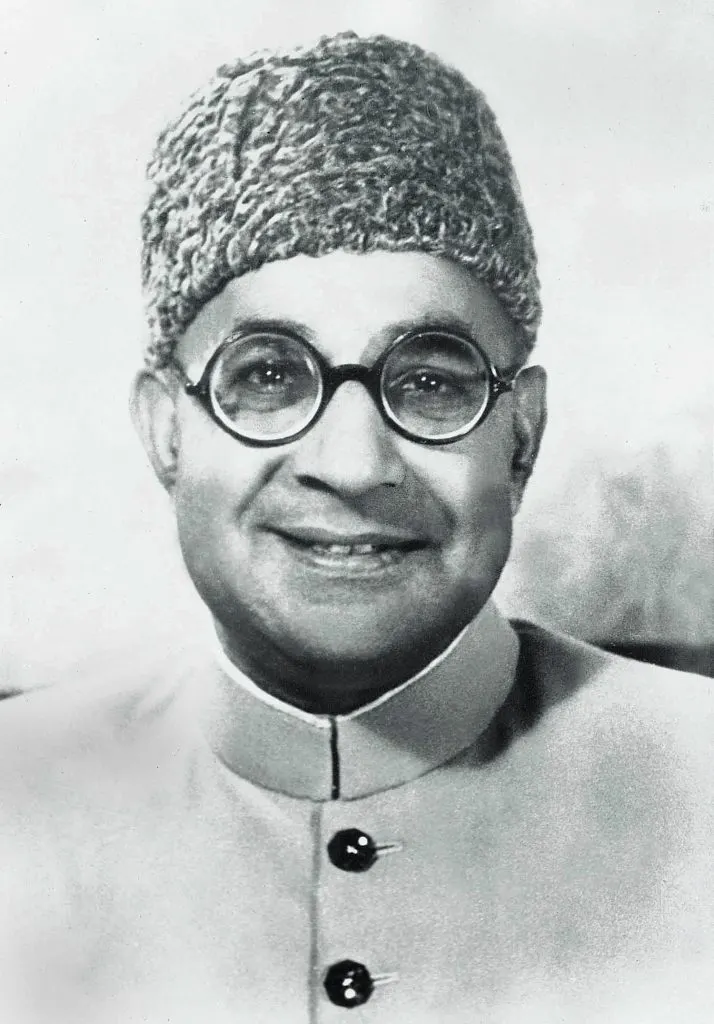
POF itself predates the G3 by well over a decade. Pakistan's first prime minister, Liaquat Ali Khan, ordered an ordnance factory built at Wah Cantt with British assistance, and the first workshops opened in December 1951 to build Lee-Enfield bolt-action rifles, the very weapon the G3 would later replace in Pakistani service.1 The G3 arrived by way of a technology transfer from Heckler & Koch, commonly dated to 1965, making Pakistan one of roughly eighteen countries that built the G3 under license rather than importing German-made rifles, in company with Turkey, Norway, Portugal, Iran, and later Saudi Arabia.2,3
The rifle produced under that license went through several internal Pakistani designations, G3P3, G3P4, and the current-production G3A3, and it remains the standing infantry rifle of the Pakistan Army, alongside service with the Pakistan Air Force's ground and security elements, the Pakistan Navy, the Frontier Corps, and the Pakistan Rangers.5,6 Two sibling programs are worth noting for comparison, Portugal's own G3 rifle m/961 and Turkey's MKEK G3, both built under similar Cold War-era licenses from the same German design.2 Pakistan has spent roughly a decade trying to move past the G3, without yet reaching a fleet-wide successor, a story covered in full further below.
The Same Roller-Delayed Action, Built at Wah Cantt
Mechanically, the POF-built rifle is identical to the German original. It is a delayed-blowback design using a two-piece roller-locked bolt, chambered for 7.62x51mm NATO and fed from a detachable magazine, standard capacity 20 rounds with 30-round magazines also referenced in some sources.7 Military-issue rifles are select-fire, capable of semi-automatic and fully automatic fire, while POF's civilian Semi Auto Irreversible versions are permanently restricted to semi-automatic only.7,8
- İlk Üretim Yılı1965
- Hizmete Giriş Yılı1965
- TasarımcıHeckler & Koch (original design); manufactured under license by Pakistan Ordnance Factories
- Ağırlık (Boş)4,5 kg
- Halen HizmetteEvet
- Önemli KullanıcılarPakistan Army, Pakistan Air Force, Pakistan Navy, Frontier Corps, Pakistan Rangers
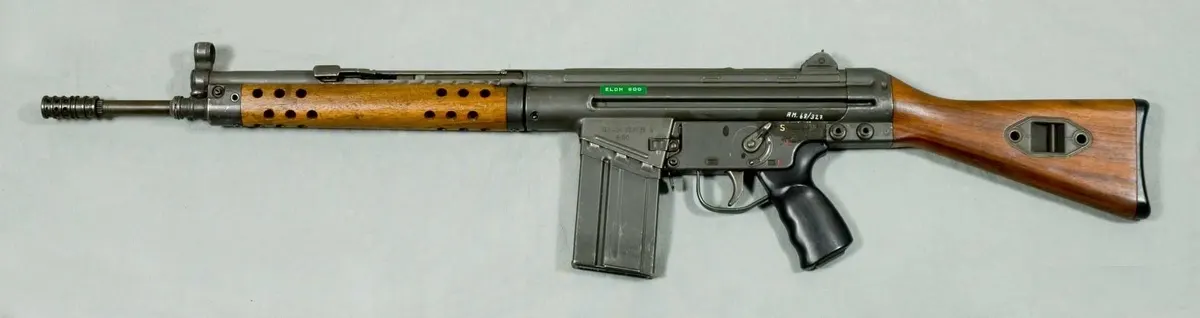
Published figures, cross-checked across several independent retailers and reference sites rather than a single primary POF datasheet, put the standard G3A3 at roughly 4.4 to 4.7 kg empty, about 1,024mm overall with the fixed stock, and a barrel around 450mm, firing a 147-grain (9.3g) 7.62mm NATO bullet at a muzzle velocity in the 780 to 800 m/s range.7,9 Cyclic rate of fire sits at 500 to 600 rounds per minute.7 A field account from a reviewer who fired one describes hitting man-sized targets out to 600m in a competent shooter's hands, a very different number from the roughly 3,700m maximum range sometimes quoted for the 7.62x51mm cartridge itself, which is a ballistic drop limit rather than anything resembling an effective combat range.10,7
- Fişek7.62x51mm NATO
- Çap7,62 mm
- Kovan Uzunluğu51 mm
- Çap Sınıfıfull-power rifle
- Mermi Ağırlığı9,3 g
- Kenar AteşlemeliHayır
- Kovansız MühimmatHayır
Furniture has changed more than the mechanism has. The earliest documented Pakistani-made examples, including the Royal Armouries' 1974 piece, carry wood handguards and buttstocks with a birdcage flash hider and a hooded front sight.4 Current-production G3A3 rifles instead use polymer furniture and what one reviewer described as an unusually thick angular handguard, a shape some shooters find less comfortable than the German original's rounder profile.7 The receiver itself is stamped sheet steel on both the German and Pakistani rifles, a manufacturing choice that kept the design cheaper to tool up than a machined-forging rifle would have been, one reason it suited a state factory still building its own industrial base in the 1960s and 1970s.
- Mekanizma TipiGeciktirmeli Blowback
- Atış Modlarısemi-automatic and fully automatic (select-fire) military versions; semi-auto-only civilian Semi Auto Irreversible versions
- Seçmeli AtışEvet
- Besleme SistemiÇıkarılabilir Şarjör
- Şarjör Kapasitesi20
- Teorik Atış Hızı550
- Emniyet Tipirotary selector lever (safe/semi/auto)
POF's own product range built around this action extends well beyond the base infantry rifle. The G3S is a shortened-barrel carbine at roughly 790mm overall and 4.1 kg, the G3M-Tactical is a lighter, polymer-furnished modernization with a shorter barrel, and the AZB is a designated-marksman derivative with an extended barrel and a Picatinny rail for optics, none of which the base G3A3 carries as standard.11 A civilian Sporter version chambered in .308 Winchester, with a free-floating barrel and its own scope rail, is sold domestically within Pakistan's hunting and sport-shooting market, though POF-made G3-pattern rifles have never been offered commercially in the United States, unlike the company's MP5-pattern pistol clone.11,12
- Namlu Çıkış Hızı790 m/sn
- Namlu Enerjisi2.900
- Etkili Menzil (nokta)600 m
- Azami Menzil3.700 m
- Namlu Uzunluğu450 mm
- Nişangah Tipidrum rear sight, hooded front post
- Optik RayıHayır
- Açık NişangahEvet
- Toplam Uzunluk1.024 mm
- Gövde Malzemesi (Receiver)stamped sheet steel
- Kabza/Dipçik Malzemesiwood (early production), transitioning to polymer/plastic (current production)
- Katlanır / Toplanır DipçikHayır
- Bullpup DüzeniHayır
- Çift Yönlü KumandalarHayır
- Süngü TakozuEvet
- Entegre BipodHayır
- Bombaatar KabiliyetliEvet
- Gaz PistonluHayır
- Üretim Başlangıcı1965
- Varyantlar7
A Factory Built to Replace the Rifle It Would Itself Replace
Wah Cantt's ordnance complex began, in the words of its own institutional history, by assembling the same British bolt-action rifle that the G3 eventually pushed out of frontline service.1 That bookend is not a coincidence of naming, it reflects how directly Pakistan's small-arms industry grew out of the same colonial-era Lee-Enfield supply chain that India inherited on the other side of the 1947 partition.1
By the mid-1960s, Pakistan's army wanted a modern replacement for its aging bolt-action inventory, and the 1965 technology transfer from Heckler & Koch answered that need on paper well before it answered it on the factory floor.13 Osprey's overview of the G3's global service history states plainly that Pakistan fielded the rifle in both the 1965 and 1971 Indo-Pakistan wars, meaning early-production or imported rifles reached units close to the license-signing date itself, even if full-rate domestic manufacturing only matured over the following decade.3 Photographic evidence from 1971 backs this up directly, a period photograph captioned as a G3P3 captured or displayed during the Bangladesh Liberation War shows the rifle already carrying a distinct Pakistani production designation by that year.14
Naming across the Pakistani production run is not perfectly clean. G3P3 appears in 1971-era photography, G3P4 is generally treated as POF's label for a rifle functionally aligned with H&K's own G3A4 pattern, and current production is marketed as G3A3, matching the German G3A3 configuration.5,7 No single source lays out an exact year-by-year handover between these designations, so the safest way to describe the sequence is as a gradual evolution across decades of the same production line rather than a series of clean, dated model changes.
The 1965 and 1971 Wars, and the Long Counter-Insurgency Since
Pakistan's earliest G3s reached combat almost as soon as the license was signed. The rifle saw service in both the Indo-Pakistani War of 1965 and the Indo-Pakistani War of 1971, the latter overlapping the Bangladesh Liberation War, where Pakistani troops carrying G3P3-marked rifles faced Indian forces equipped with their own FN FAL-derived SLR and Mukti Bahini guerrillas armed largely with AK-47s.3,14
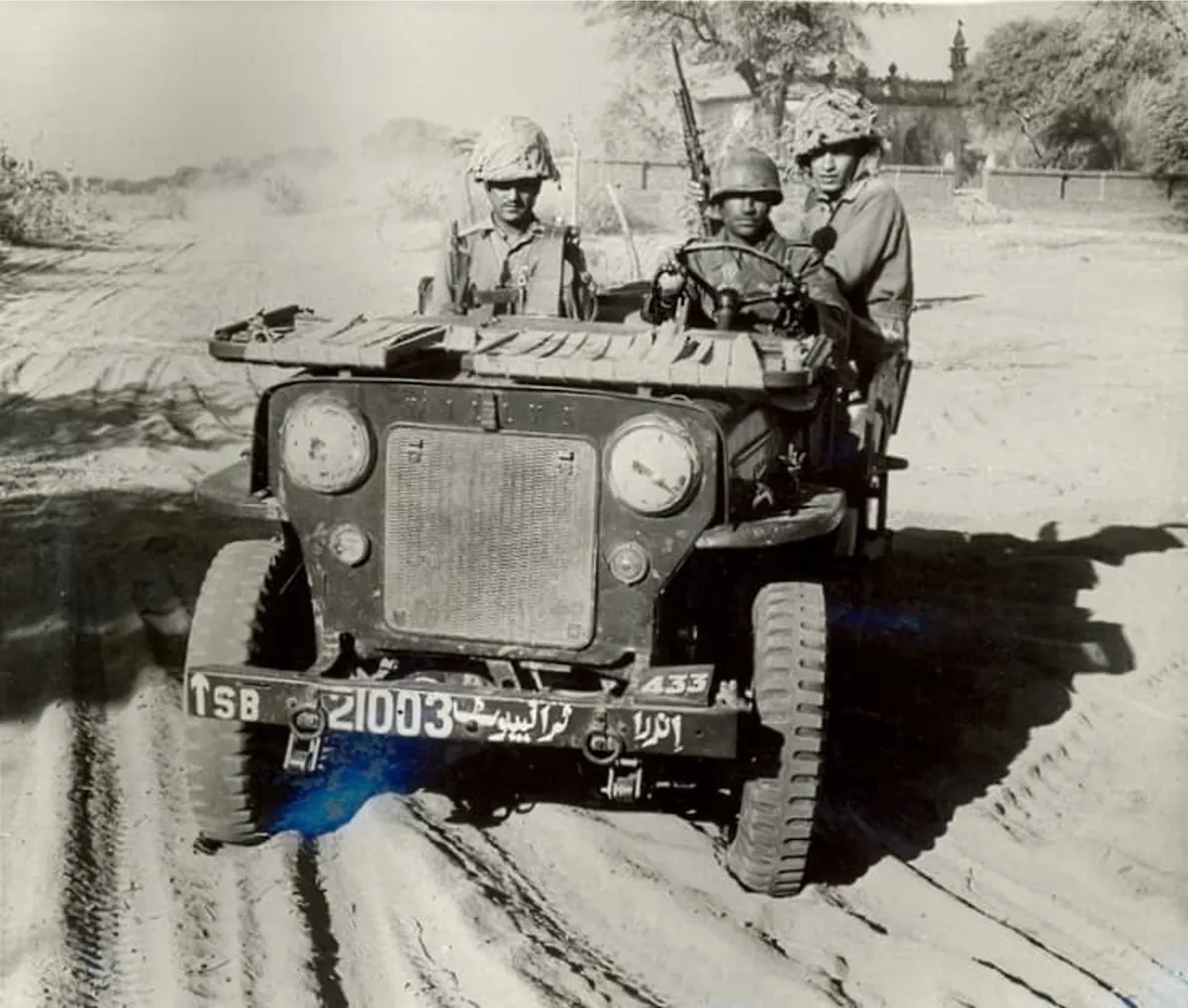
The rifle's combat record after 1971 is really the story of Pakistan's own internal conflicts more than its external wars. It has been the standard rifle carried through the entire insurgency in Khyber Pakhtunkhwa against the Pakistani Taliban and allied militants since the mid-2000s, including the First Battle of Swat in 2007 and the Second Battle of Swat in 2009, when period photography shows Pakistani soldiers carrying G3A3 rifles during the campaign to recapture the Swat Valley from militant control.5,15
Operation Zarb-e-Azb and a Chief of Army Staff's Personal Thanks
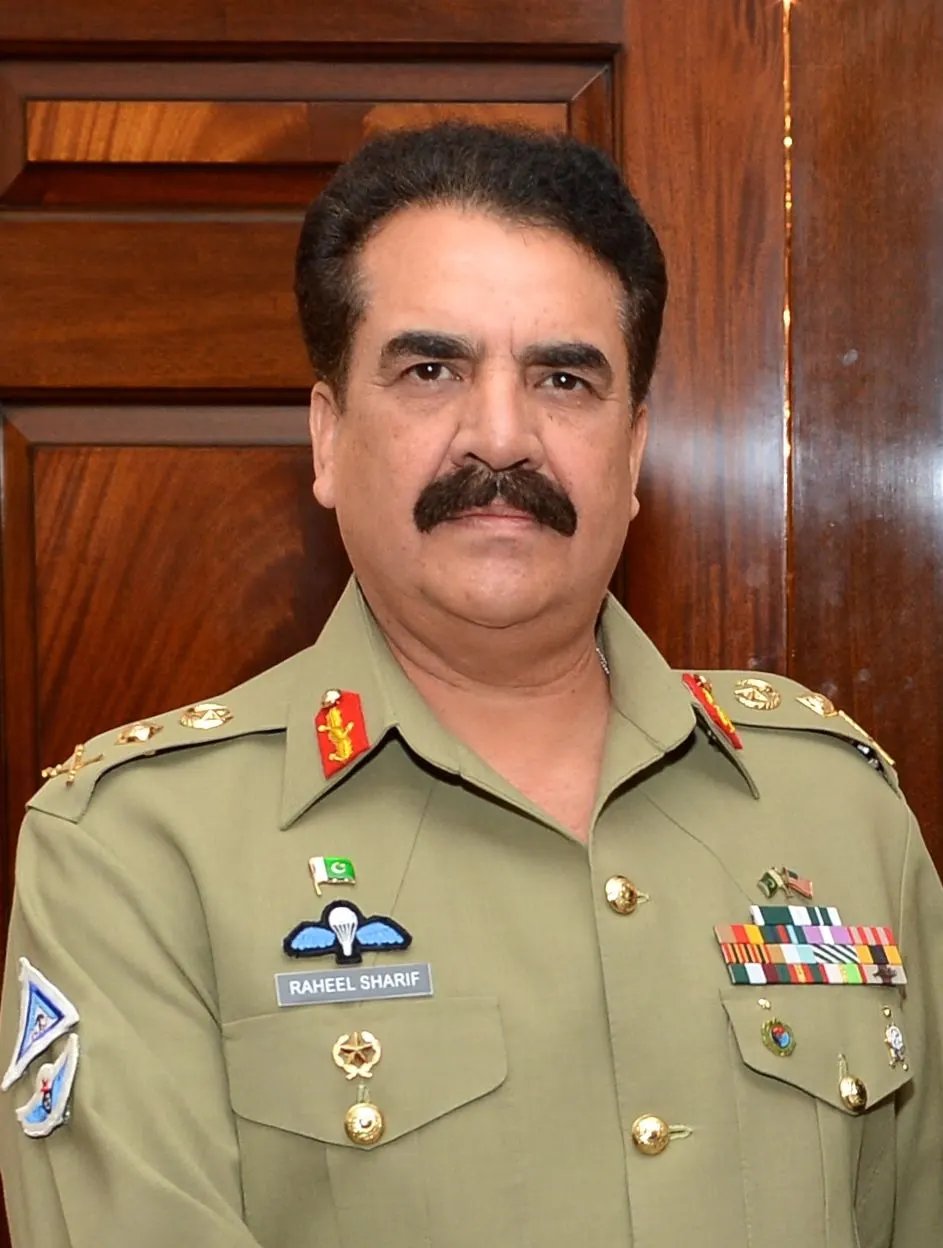
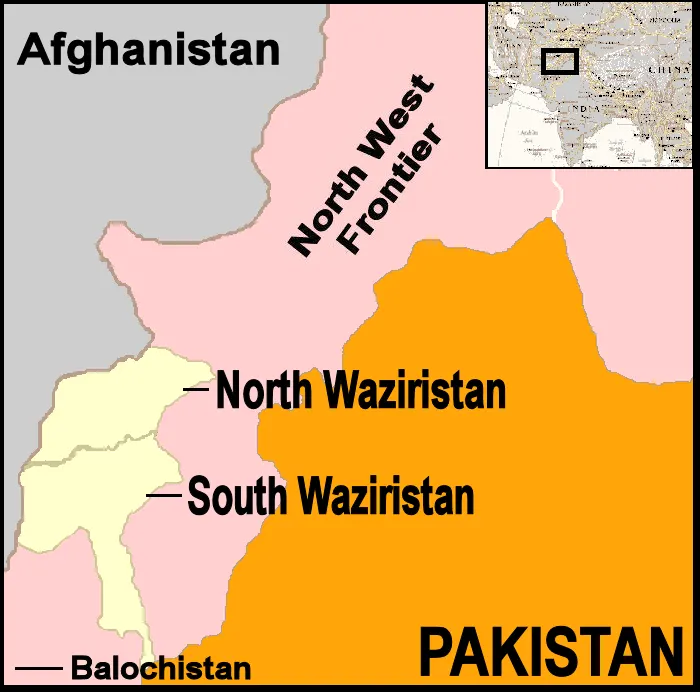
The rifle's largest single deployment in recent decades came with Operation Zarb-e-Azb, launched in June 2014 in North Waziristan following the Jinnah International Airport attack, committing roughly 30,000 Pakistani troops against the Pakistani Taliban, the Islamic Movement of Uzbekistan, and allied militant groups.16 Late in 2015, Army Chief General Raheel Sharif visited POF specifically to commend the factory for its role supplying weapons to that campaign, a visit widely credited with pushing POF toward the next-generation rifle program described later in this article.17
The rifle's reach extended beyond Pakistan's own borders during the Soviet-Afghan War. Pakistan served as the principal external logistics conduit for the mujahideen resistance against Soviet and Afghan communist forces through the 1980s, and Pakistani-made G3s made up the majority of G3-pattern rifles that reached mujahideen units, arriving alongside weapons funneled through Pakistan from the CIA's Operation Cyclone and other foreign backers.18,19 The G3's full-power cartridge and rugged action suited the harsh terrain and long engagement ranges of that conflict reasonably well, even though it was never the mujahideen's most common weapon overall, that role belonged to Soviet-pattern AK rifles captured or supplied through other channels.19
Pakistani production has run under at least three internal designations over time. G3P3 is documented in early-1970s photography, G3P4 is generally treated as corresponding to H&K's own G3A4 pattern, and G3A3 is the current-production standard, matching the German G3A3 configuration with a fixed polymer stock.5,7 Beyond the base rifle, POF sells a shortened G3S carbine, a modernized G3M-Tactical with lighter furniture, an AZB designated-marksman variant with a Picatinny rail, and a semi-automatic civilian Sporter chambered in .308 Winchester.11
None of those, though, is really POF's answer to the question of what comes after the G3. That answer is the BW20, a new rifle POF engineers built specifically to keep the G3's roller-delayed blowback action while modernizing the furniture, ergonomics, and rail system around it, publicly unveiled at the 2022 World Defense Show in Riyadh in an Assaulter configuration, a designated-marksman version, and a CW39 variant chambered for the intermediate 7.62x39mm cartridge.20 Two other Pakistani design houses showed their own rival 7.62x51mm candidates at IDEAS 2022 in Karachi, GIDS' Klass-786 and Cavalier Group's Maverick-22, meaning any eventual G3 successor may come from outside POF entirely.17
None of these designs has actually replaced the G3 in Pakistani service as of current sourcing. The BW20 and its domestic rivals remain in evaluation, early production, or showcase status rather than a completed fleet-wide swap, which is why POF continues producing and servicing the older rifle at all.20,17

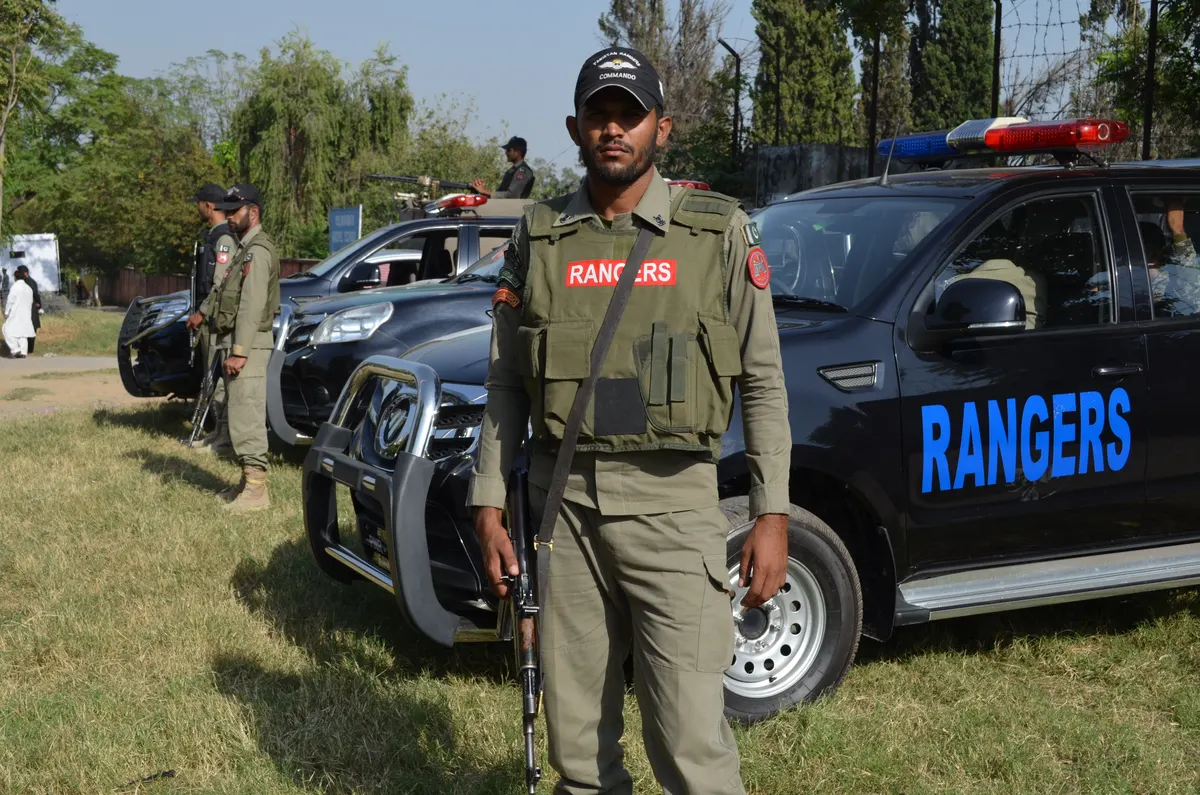
The Pakistan Army remains the rifle's primary operator, alongside the Pakistan Air Force's ground security elements, the Pakistan Navy, the Frontier Corps, and the Pakistan Rangers, the paramilitary force most associated with routine border and internal-security duty.5,6 Provincial police forces carried the G3 for high-end patrol and checkpoint duty as well, though that role has been shrinking.
In January 2020, Rawalpindi's Regional Police Officer Sohail Habib Tajik ordered police in Rawalpindi, Attock, Jhelum, and Chakwal districts to swap their G3s for submachine guns, arguing the rifle's military-grade power and range, the same roughly 3,700m maximum range figure cited above, made it the wrong tool for urban patrolling and checkpoint work by officers who needed something more maneuverable in mobile units.10 Tajik framed the submachine gun itself as only an intermediate step, with handguns intended as the eventual long-term standard for street policing and longer guns reserved for raids and designated marksmen.10 No source found in research documents a comparable move away from the G3 within the military itself, whose replacement effort has instead focused on finding an equally capable or better rifle rather than downsizing to something smaller.
Direct export customers for the POF-made G3 specifically are not clearly documented. POF's overall product catalogue, spanning ammunition, small arms, and explosives, is reported in service with more than 40 countries, and POF has landed large recent ammunition contracts such as a reported $364 million deal with Ukraine, but no confirmed contract for POF-made G3 rifles to a named foreign buyer turned up in research.21 Two countries one might expect to be Pakistani G3 customers instead run entirely separate license lines of their own, Saudi Arabia through Military Industries Corporation at Al-Kharj and Nigeria through Defence Industries Corporation, so their G3 rifles are not POF exports at all.11
An Old Rifle That Refused to Lose a Modern Trial
Pakistan's most revealing comparison for the G3 came in 2016, when the army ran its largest small-arms trial in recent history, testing the FN SCAR-H, CZ 806 BREN 2, Beretta ARX200, AK-103, Zastava's M21/M77 rifles, and Turkey's MPT-76 against the incumbent rifle under desert heat past 53 degrees Celsius, mountain cold down to minus 50, mud submersion, sandstorm exposure, and endurance runs of up to 1,200 rounds a day in full automatic fire.22,23 The ordinary G3s pulled from unit armories for that trial, not specially tuned test rifles, performed exceptionally well in accuracy and reliability against every one of those newer, gas-operated contenders.23 No winner was ever announced, and the roughly $1 billion, 500,000-rifle program that would have followed a successful bidder never materialized.22
That result explains why POF's own successor design, the BW20, deliberately kept the G3's roller-delayed action rather than switching to a gas-piston system like nearly every one of its 2016 rivals.20 It is an implicit vote of confidence in a 1950s West German mechanism from the same institution that spent a decade trying to replace it.
A steadier comparison is with Portugal's own license program, the G3 rifle m/961, built by Fábrica de Braço de Prata. Portugal's production run is unusually well documented, with over 442,000 rifles built through 1988 by one account, a level of published detail Pakistan's own production total has never reached in open sources.2 Both countries built the same German design under license around the same Cold War decades, but Portugal's total production is a matter of public record in a way Pakistan's is not.
| Rifle | Action | Status in 2016 trials |
|---|---|---|
| POF G3A3 | Roller-delayed blowback | Incumbent, outperformed entrants |
| FN SCAR-H | Gas-operated, short-stroke piston | Trialed, no winner declared |
| CZ 806 BREN 2 | Gas-operated, short-stroke piston | Trialed, no winner declared |


Is the POF G3 still in service with the Pakistan Army? Yes. It remains the standard-issue infantry rifle, and Pakistan Ordnance Factories continues producing and servicing it, even as a decade-long replacement effort, from the 2016 international trials through POF's own BW20 and rival domestic designs, has yet to produce a fleet-wide successor.20,17
How does the POF G3 differ from the German-made Heckler & Koch G3? Mechanically they are the same rifle, sharing the identical roller-delayed blowback action and 7.62x51mm chambering. Differences are limited to furniture (early Pakistani rifles used wood, current production uses polymer with a distinctively thick handguard), internal Pakistani model designations, and production-line details rather than how the rifle actually functions.7,4
What is the effective range of the POF G3? Field accounts describe hitting man-sized targets out to about 600m in a skilled shooter's hands. A frequently quoted figure of roughly 3,700m for the 7.62x51mm cartridge is a maximum ballistic range, not a usable combat or marksmanship distance, and should not be read as the rifle's effective range.10,7
What replaced the POF G3 in Pakistani service? Nothing has, fleet-wide, as of current sourcing. Pakistan trialed FN SCAR-H, CZ BREN 2, Beretta ARX200, AK-103, and other modern rifles in 2016 without declaring a winner, and POF's own BW20, unveiled in 2022, along with rival domestic designs from GIDS and Cavalier Group, remain in evaluation or early production rather than full-scale service.22,20,17
Has Pakistan ever exported the POF-made G3 rifle? No confirmed export contract for the rifle itself was found in research. POF's broader catalogue of ammunition and small arms reaches more than 40 countries, but Saudi Arabia and Nigeria, two countries that might otherwise be expected as G3 customers, in fact run their own separate domestic G3 license lines rather than importing Pakistani-made rifles.21,11
- "Pakistan Ordnance Factories", Wikipedia — en.wikipedia.org ↩
- "Heckler & Koch G3", Wikipedia — en.wikipedia.org ↩
- "The G3 Battle Rifle", Osprey Publishing — ospreypublishing.com ↩
- "Heckler & Koch G3 POF, 1974", Royal Armouries — royalarmouries.org ↩
- "POTD: POF G3 Rifles From Pakistan", The Firearm Blog — thefirearmblog.com ↩
- "Indian vs Pakistani Small Arms Part 1, The Main Service Rifle", The Firearm Blog — thefirearmblog.com ↩
- "Pakistan Ordnance G3A3", Ammoterra — ammoterra.com ↩
- "Review, POF G3 Sporter .308", The Firearm Blog — thefirearmblog.com ↩
- "Heckler & Koch HK G3", Military Factory — militaryfactory.com ↩
- "Police Directed to Replace G3 Rifles With SMGs", Dawn — dawn.com ↩
- "Automatic Rifle G3A3 & G3P4", Shehnoor Group — shehnoorgroup.com ↩
- "POF .308 G3 Rifle", Barki Armoury — barkiarmoury.com ↩
- "Replacement of G3 Rifle of Pakistan Army", CZ-USA LE/MIL — le.cz-usa.com ↩
- "G3P3 7.62 MM Rifle, 1971 Bangladesh Liberation War Arms", Wikimedia Commons — commons.wikimedia.org ↩
- "Insurgency in Khyber Pakhtunkhwa", Wikipedia — en.wikipedia.org ↩
- "Operation Zarb-e-Azb", Wikipedia — en.wikipedia.org ↩
- "Replacement for Pakistan Army's G3A3 Rifle", Munafa Marketing — munafamarketing.com ↩
- "Why the German G3 Rifle Was in the Soviet-Afghan War?", Safar Publishing — safar-publishing.com ↩
- "List of Military Equipment Used by the Mujahideen During the Soviet-Afghan War", Wikipedia — en.wikipedia.org ↩
- "New BW20 Roller-Delayed Battle Rifle From Pakistan Ordnance Factories", The Firearm Blog — thefirearmblog.com ↩
- "'Made in Pakistan' Weapons Being Sold to 40 Countries", Dawn — dawn.com ↩
- "Pakistan Seeks New Service Rifle, Upgraded Ordnance Facilities", Defense News — defensenews.com ↩
- "Pakistan Army Trials and the Resurgence of the Roller-Delayed Blowback", The Firearm Blog — thefirearmblog.com ↩
